
FAQ
What minimum radius can I bend a profile to?
METAL FORMING
Why the radius is not free: what limits it and when the section distorts
There is no single minimum radius: it depends on the profile, its orientation and the material. As a rule, the taller the section in the bending plane, the larger the minimum radius that can be achieved without damaging it; and below a certain radius the section distorts, the compressed leg wrinkles or the profile twists. The minimum radius is a specification to define, not a consequence discovered at the end.
What determines the minimum radius
The achievable minimum radius depends above all on the profile height in the bending plane, its orientation and the material. A tall profile bent about its strong axis reaches a much larger minimum radius than the same profile about its weak axis: the more section to bend, the harder to close small radii. Material also rules: a low-ductility one cracks before reaching tight radii.
What happens if you force it
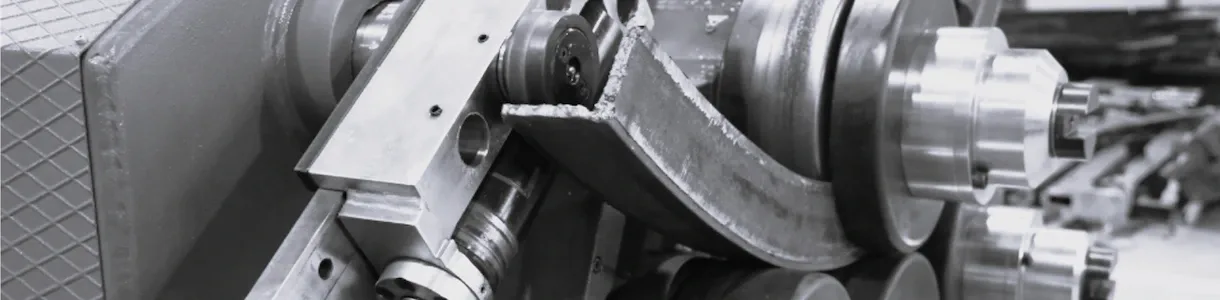
Below the reasonable minimum radius, the profile stops bending clean. The section distorts: the compressed leg wrinkles or buckles, the stretched one thins, and the profile can twist or lose its shape. At that point the limit is not the machine's force, but the integrity of the section, and forcing it produces parts out of tolerance.
How to define it properly
The real minimum radius should be set for the working profile, orientation and material, not for the most favorable case. If the project demands tight radii, that figure becomes as decisive as the profile size, and defines the tooling and even the bending method. How it combines with the rest of the variables is developed in the article on how to specify a profile bending machine.
CONCLUSIÓN
The minimum radius is specified, not discovered
The minimum radius a profile allows depends on its height, its orientation and its material, and marks the limit below which the section is ruined. Defining it from the project stage —for the real case, not the favorable one— is what avoids finding out on the fly that the part cannot be closed. It is an input specification, as important as the profile itself.
Published: August 2026
KEEP EXPLORING
Related equipment and content
.webp?dpl=dpl_F66A7PtdJizoWBprUTvwNQ9c4U9S)
FAQ
In which orientation is a profile bent?
The profile's orientation against the rolls defines how much force bending demands: the strong axis resists far more than the weak axis. Define it first.
Read more.webp?dpl=dpl_F66A7PtdJizoWBprUTvwNQ9c4U9S)
Technical article
How to specify a profile bending machine
Profile, orientation, radius and material: why bending a profile is not rolling a plate
Read more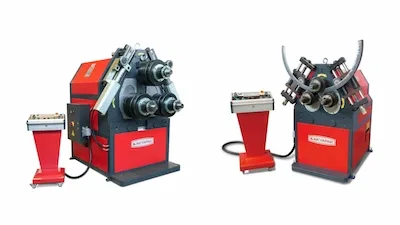
APK Line
Section bending machines
For angles, tubes, H/I beams and channels in structural steel. From 0.75 kW to 160 kW in three capacity ranges.
Read moreInstallations
Equipment in operation
videos
Equipment in action
Special Projects
Can't find the equipment you need?
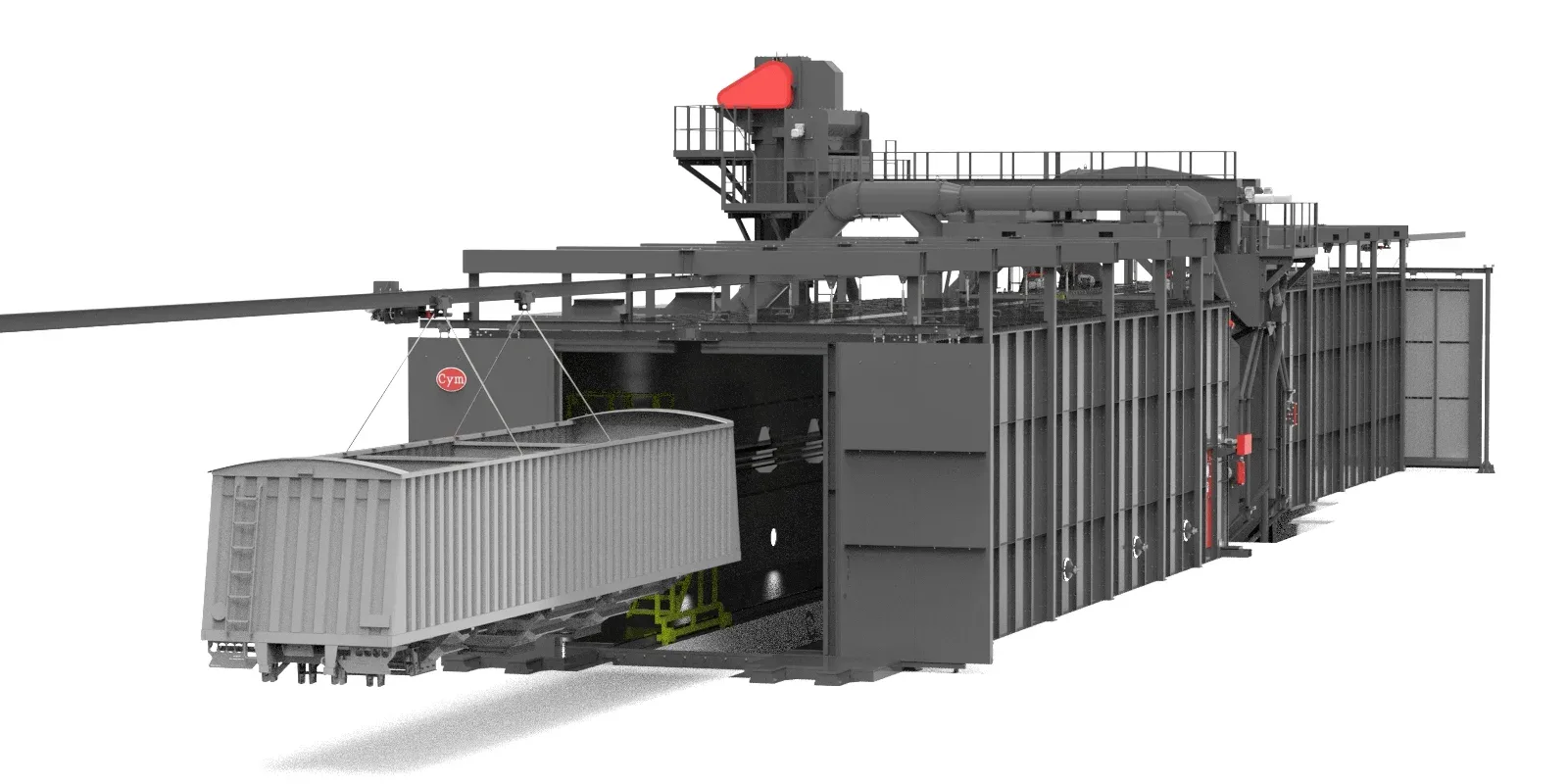
CYM Materiales develops it.
Our Engineering and Sales team works alongside the client to design a custom solution, reducing operating costs and maximizing productivity. Every project starts with a detailed technical assessment and ends with a machine built and tested at our plant
REQUEST A CUSTOM PROJECT