

FAQ
What is the D of bend in tube bending?
METAL FORMING
How a tight radius is measured and why the number alone does not say everything
The D of bend is the ratio of the bend radius to the tube diameter: it is calculated by dividing the centerline radius (CLR) by the outside diameter. It states how tight a curve is independently of the tube size: a low D is a tight, difficult radius; a high one, a wide, gentle radius. It is the first number that anticipates how demanding the bend will be.
How it is calculated and what it means
The D of bend is the centerline radius divided by the tube's outside diameter. A tube bent to 1D has a radius equal to its diameter —a very tight curve—; at 3D or 4D, a much more open and easy curve. By expressing it as a ratio rather than an absolute measure, it allows comparing the difficulty of curves on tubes of different sizes with a single number.
Why the D of bend alone is not enough
The D of bend says how tight the curve is, but not the whole story. The real difficulty also depends on the wall factor —diameter over thickness—: a thin-wall tube at 2D is far harder than a thick-wall one at the same 2D. That is why the D of bend is always read together with wall thickness and material; alone, it can mislead.
What it is for when specifying
Knowing the tightest D of bend the part requires is what organizes the technical conversation: it defines whether a mandrel is needed, how many balls, and what tooling. A low D with a thin wall is the sign that the job is demanding and needs a machine and tooling to match. How it combines with the rest of the variables is developed in the article on how to specify a tube bending machine.
CONCLUSIÓN
One number that organizes the whole bend
The D of bend translates «tight radius» into a comparable, objective figure, and it is the gateway to specifying a tube bend. Read together with the wall factor and the material, it anticipates whether a mandrel is needed and how demanding the machine will be. Defining the part's tightest D of bend is the first step to not falling short.
Published: August 2026
KEEP EXPLORING
Related equipment and content
.webp?dpl=dpl_F66A7PtdJizoWBprUTvwNQ9c4U9S)
Technical article
How to specify a tube bending machine
Diameter, radius, wall and material: bending the tube without ovalizing or wrinkling the section
Read more.webp?dpl=dpl_F66A7PtdJizoWBprUTvwNQ9c4U9S)
FAQ
When is a mandrel needed to bend a tube?
Radius, wall and diameter: which combinations force supporting the tube from inside
Read more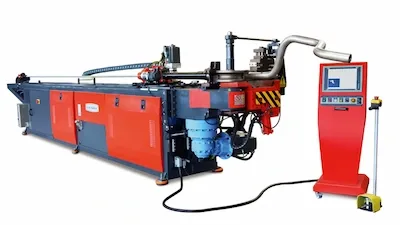
products
CNC TUBE BENDER
CNC tube bending machines for steel, stainless and aluminium
Read moreInstallations
Equipment in operation
videos
Equipment in action
Special Projects
Can't find the equipment you need?
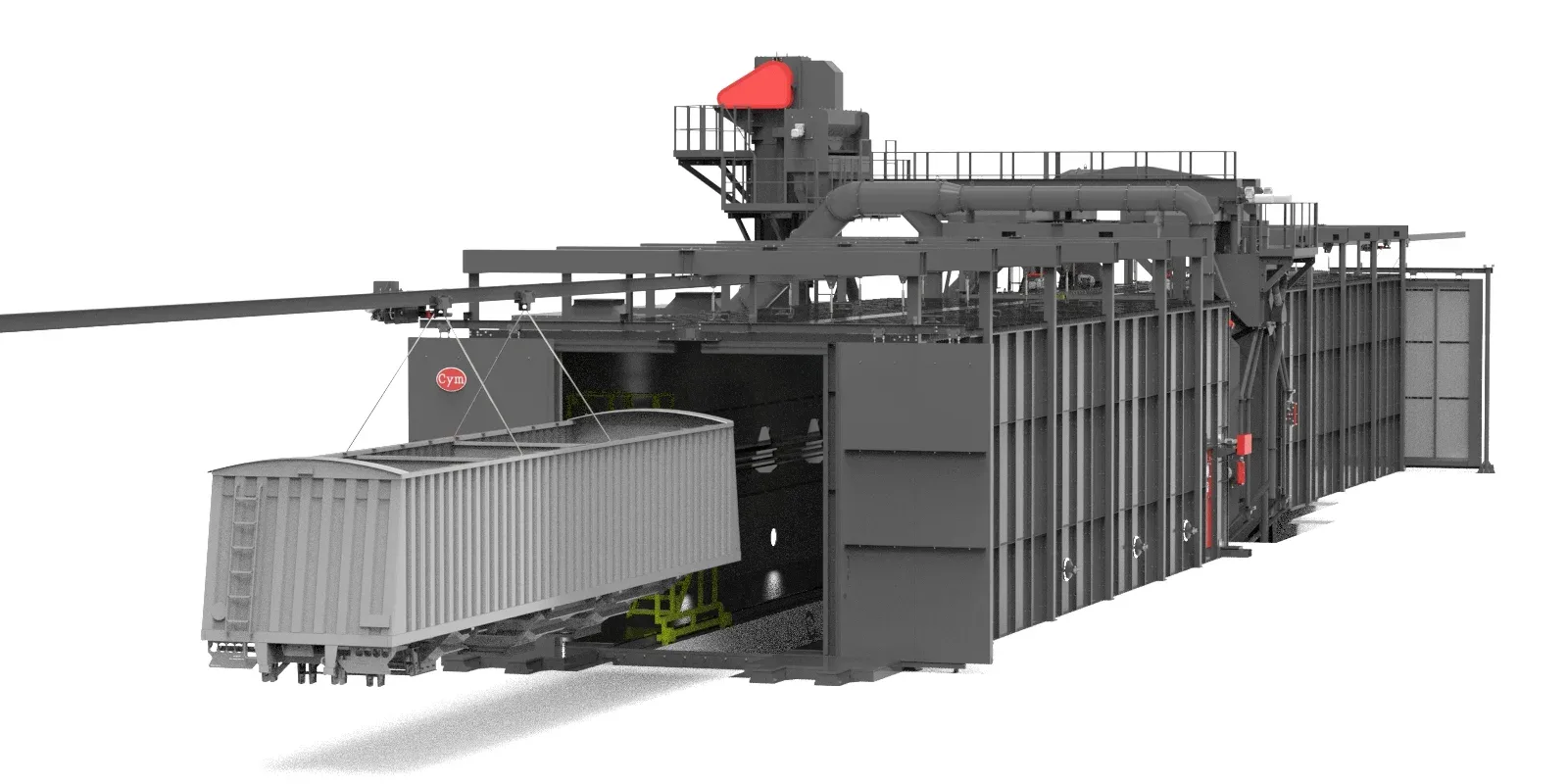
CYM Materiales develops it.
Our Engineering and Sales team works alongside the client to design a custom solution, reducing operating costs and maximizing productivity. Every project starts with a detailed technical assessment and ends with a machine built and tested at our plant
REQUEST A CUSTOM PROJECT