
FAQ
When is a mandrel needed to bend a tube?
METAL FORMING
Radius, wall and diameter: which combinations force supporting the tube from inside
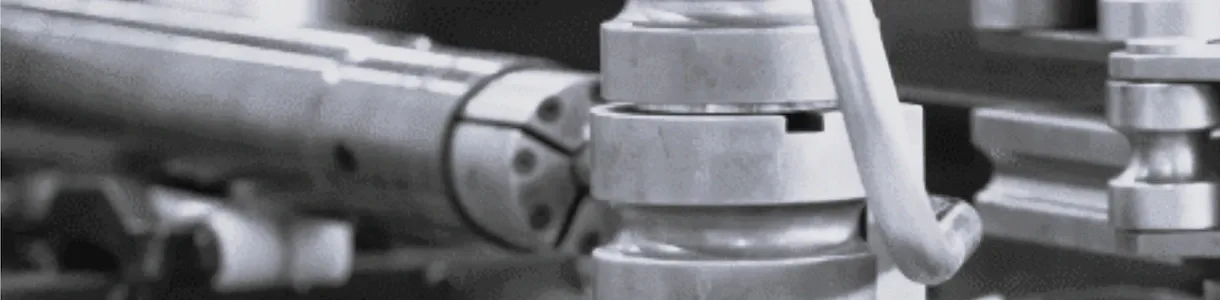
A mandrel is a tool that supports the tube from inside while it is bent, so the section does not collapse. It is not always needed: it becomes necessary when the tube tends to ovalize or wrinkle, and that depends above all on three things —the radius, the wall thickness and the diameter—. On gentle bends, with thick walls and generous radii, it can often be dispensed with.
When yes: tight radius and thin wall
The mandrel becomes necessary when the combination of radius, wall and diameter pushes the tube to the limit. A tight radius, a thin wall or a large diameter —or the sum of the three— make the tube tend to flatten in the bend; there the mandrel supports the inner wall and prevents ovalization. As a practical reference, radii on the order of 1.5 to 2 times the diameter or tighter usually require a mandrel, especially on thin walls.
When no: gentle bend and thick wall
At the other end, a thick-wall tube bent to a generous radius has plenty of section to avoid collapse. In those cases mandrel-free bending produces an acceptable curve, faster and with less tooling, as long as the resulting ovalization stays within the part tolerance. A structural tube tolerates more ovalization than one that must carry fluid or mate with another: the demand of the application settles it.
What defines the answer
There is no single threshold: the mandrel is decided by crossing radius, wall factor and the section tolerance the part requires. The tighter the radius, the thinner the wall and the stricter the tolerance, the clearer it is that a mandrel is needed —and sometimes a wiper die for the inside of the bend too—. How these variables combine when choosing the equipment is developed in the article on how to specify a tube bending machine.
CONCLUSIÓN
The tube calls for the mandrel, not habit
The mandrel is not an accessory used always or never: it is called for by the combination of tight radius, thin wall and large diameter, plus the part tolerance. Defining those four things before bending is what avoids discovering ovalization when the part is already ruined. When in doubt, on thin walls and tight radii, the mandrel is the safe bet.
Published: August 2026
KEEP EXPLORING
Related equipment and content
.webp?dpl=dpl_F66A7PtdJizoWBprUTvwNQ9c4U9S)
Technical article
How to specify a tube bending machine
Diameter, radius, wall and material: bending the tube without ovalizing or wrinkling the section
Read more.webp?dpl=dpl_F66A7PtdJizoWBprUTvwNQ9c4U9S)
FAQ
What is the D of bend in tube bending?
The D of bend is the bend radius divided by the tube diameter: it measures how tight the curve is and anticipates the difficulty of the bend.
Read more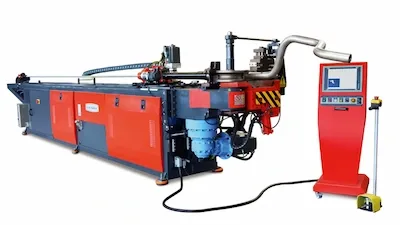
products
CNC TUBE BENDER
CNC tube bending machines for steel, stainless and aluminium
Read moreInstallations
Equipment in operation
videos
Equipment in action
Special Projects
Can't find the equipment you need?
CYM Materiales develops it.
Our Engineering and Sales team works alongside the client to design a custom solution, reducing operating costs and maximizing productivity. Every project starts with a detailed technical assessment and ends with a machine built and tested at our plant
REQUEST A CUSTOM PROJECT