
TECHNICAL ARTICLES
How to specify a cutting saw
STRUCTURAL STEEL
Maximum section, cut angle and automation: what defines the saw for structural steel
Cutting structural steel is not just «cutting to length». A saw for profiles, tubes and bars is specified by the largest section it must cut, by the angles it needs —straight and miter— and by how much autonomy production demands. Choosing it by price or by cut length, without looking at those variables, is buying a machine hoping it solves a job that was never defined. This article explains what each one looks at and why.
The maximum section defines the capacity
A saw is sized by the largest profile, tube or bar it will cut. The cutting capacity at 90° —the maximum width and height, or the diameter— is the figure that rules: below it the saw works, above it the part does not fit. Defining the real maximum working section, not the usual one, is what prevents the saw from falling short the day the big profile comes in.
The cut angle: straight and miter
To prepare structures, many cuts are not at 90°: joints require miter. A mitering head cuts at 90° and at an angle without repositioning the part, which saves a step and improves the accuracy of the joint. It is worth defining the range of angles needed —single miter, and compound if required—: a saw that only cuts straight forces miters to be prepared separately, with more handling and less precision.
The material and the type of section
Cutting a solid bar is not the same as cutting a thin-wall profile or a tube. The blade, speed and feed change with the material —carbon steel, stainless— and the geometry of the section, solid or hollow. A well-specified saw arrives with the right cutting parameters for the shop's dominant section type, which translates into more blade life and a better finish.
Autonomy and productivity
Saws range from manual piece-by-piece cutting to CNC machines with automatic feed, length positioning and batch cutting. The level of automation is defined by volume: for continuous production, a saw that measures, positions and cuts on its own pays off in time and repeatability. Over-sizing automation for low volume, or falling short for high volume, are the two typical mistakes.
Standalone or in line with drilling
A saw can work alone or be integrated in line with a beam drilling machine. Together they form a structural steel preparation line, where the part is cut to length and drilled in a continuous flow, without handling it again between operations. If the shop already drills beams, integrating cutting reduces handling and orders the flow; how that drilling is specified is developed in its own article.
CONCLUSIÓN
The saw is chosen for the cut to be made
Specifying a cutting saw means describing well the most demanding cut you will make: the largest section, the angles you need, the material and the volume. With those variables defined, the right saw almost chooses itself, and you avoid both paying for too much automation and falling short in capacity or angles. As the representative of AKYAPAK cutting saws, CYM Materiales supports that definition so the equipment matches the real work.
Published: August 2026
KEEP EXPLORING
Related equipment and content
FAQ
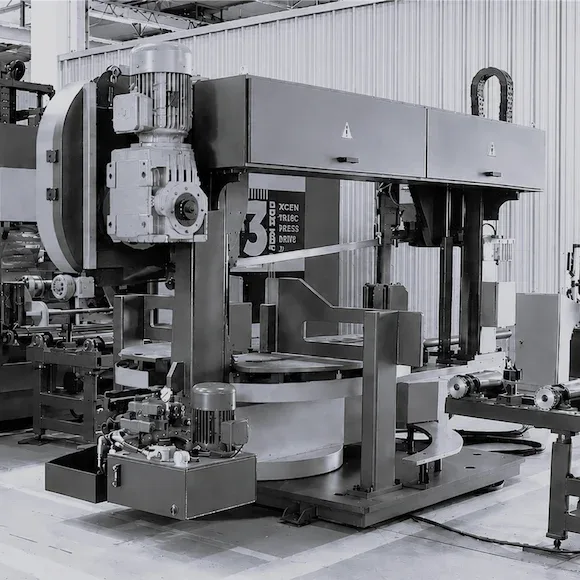
Straight or miter cut? What changes on the saw
The straight cut is at 90°; the miter, at an angle for joints. A mitering head does both without repositioning the part and with more precision.
Read more.webp?dpl=dpl_F66A7PtdJizoWBprUTvwNQ9c4U9S)
Technical article
How to specify a beam drilling line
Maximum profile, number of spindles and operations: the variables that define a structural steel beam drilling line, standalone or integrated with a saw.
Read more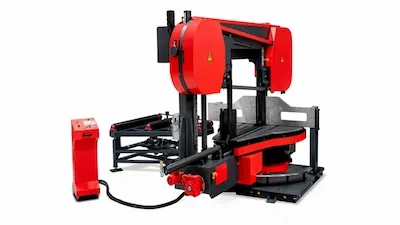
AST line
CNC band saws
With mitering head for cutting steel profiles, tubes and bars at 90° and at angles. Standalone or integrated with beam drilling lines.
Read moreInstallations
Equipment in operation
VIDEOS
Equipos en acción
Special Projects
Can't find the equipment you need?
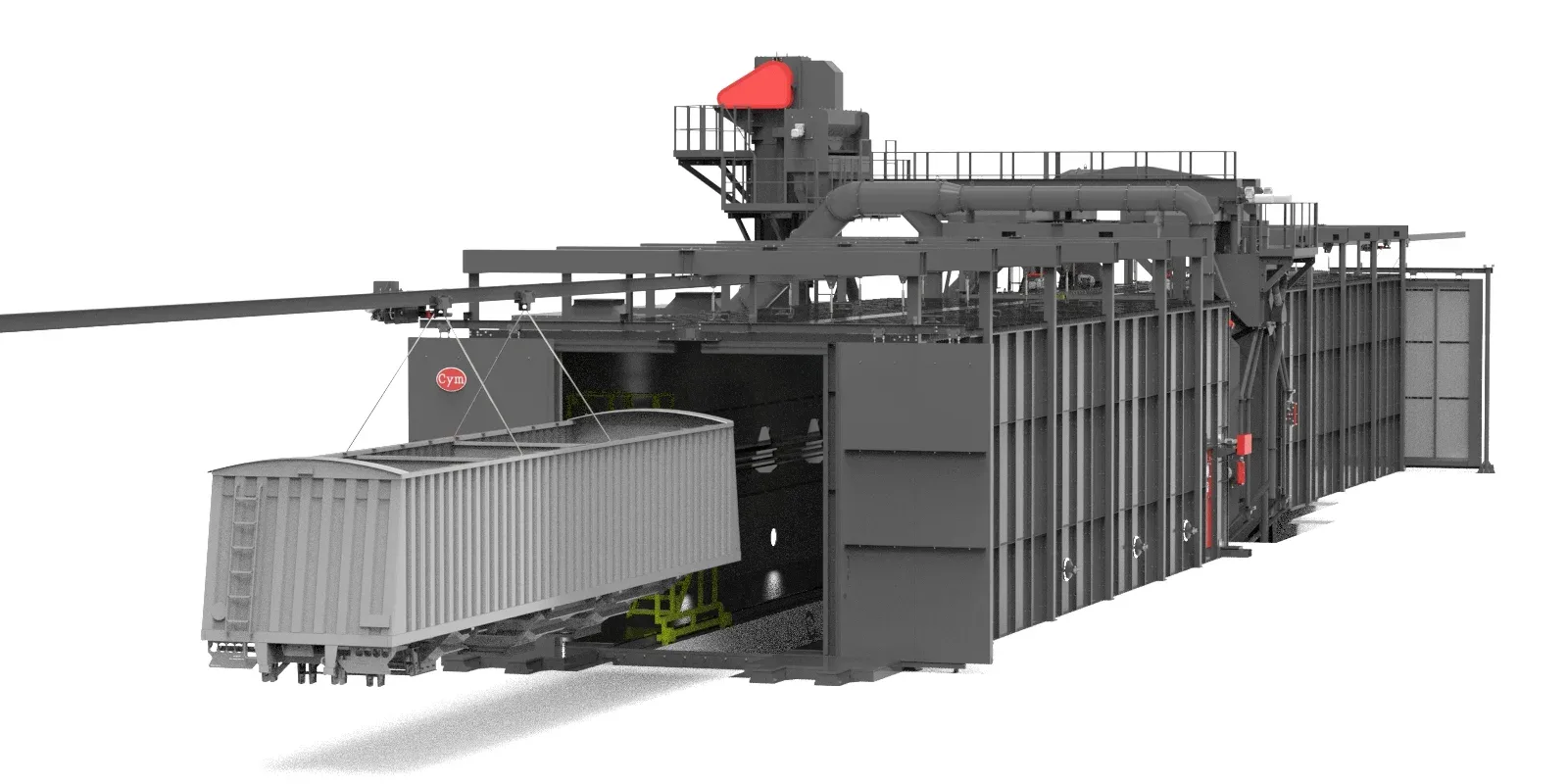
CYM Materiales develops it.
Our Engineering and Sales team works alongside the client to design a custom solution, reducing operating costs and maximizing productivity. Every project starts with a detailed technical assessment and ends with a machine built and tested at our plant
REQUEST A CUSTOM PROJECT