

TECHNICAL ARTICLE
Corrosion in steel and the role of shot blasting
CORROSION · RUST · SHOT BLASTING
How surface preparation extends the service life of steel
Corrosion is the leading cause of premature deterioration of steel in industrial structures. It is not just visible rust: it is an electrochemical process that advances under the paint, weakens the load-bearing section and causes costly structural failures. Shot blasting interrupts that cycle in two simultaneous steps: it removes surface contaminants and creates the roughness profile the coating needs to adhere and last. Below we explain the mechanism, why paint alone is not enough, and how shot blasting acts as the definitive solution.
Why steel corrodes: the mechanism
Corrosion is an electrochemical reaction: the iron in steel loses electrons when it comes into contact with moisture and oxygen, forming iron oxides — the visible rust — that do not protect the surface but progressively consume it.
Mill scale (the rolling oxide layer that hot-rolled steel carries from the manufacturing process) is one of the most common starting points. Although hard and well bonded, it has a different electrical potential from the base steel: when water enters, a localized galvanic cell forms that corrodes the steel beneath the mill scale itself. From the outside, the surface may appear intact; underneath, corrosion has already advanced.
Factors that accelerate the process include: high relative humidity, salinity (coastal or industrial environments), temperature, acidic or aggressive gases, and the presence of existing rust pitting. The most exposed industrial sectors — energy, shipbuilding, road infrastructure, agribusiness — face this problem on a permanent basis.
Why paint alone is not enough
Painting directly over a surface with mill scale, rust or grease is the most frequent cause of premature coating failure. The mechanism is simple: mill scale has a different thermal expansion coefficient from steel. With temperature changes it cracks; water enters through the crack; corrosion advances beneath the paint without being visible from outside, until the coating blisters and peels off.
Without adequate anchor roughness on the surface, paint does not adhere mechanically either: the film is held only by surface tension, and any impact or stress lifts it. International standards (ISO 8501-1, SSPC/AMPP) define the required cleanliness grades (Sa 2, Sa 2½, Sa 3) according to coating type and environmental exposure. The detail of each grade is covered in our surface preparation standards report.
How shot blasting interrupts the corrosion cycle
Shot blasting acts on two fronts simultaneously:
• Cleaning: projects abrasive at high speed and removes mill scale, rust, grease and any other contaminant down to bare steel. It is the only process that can remove mill scale from hot-rolled steel mechanically, without acids.
• Surface profile: the abrasive leaves a controlled roughness profile on the surface (Ra and Rz to specification). This roughness increases the contact area between the metal and the coating, generating the mechanical anchor the paint needs to last.
The result: a structure treated to Sa 2½ with the correct roughness profile and an appropriate paint system can multiply its service life by 3 to 5 times compared with the same structure painted without prior preparation.
Where it makes the greatest impact: sectors and applications
Pre-coating shot blasting is applied across virtually every sector that works with exposed steel:
• Infrastructure and construction: steel structures for warehouses, bridges, towers and walkways; plates and profiles before assembly.
• Energy: storage tanks, pipelines, gas and oil pipelines and plant structures.
• Naval and offshore: ship hulls, marine platforms, port structures.
• Agribusiness: silos, hoppers, agricultural machinery and equipment exposed to weather and agrochemicals.
• Automotive and mobile equipment: bodywork, chassis, frames and structural components before the painting process.
Shot blasting as investment, not cost
The cost of a shot blasting and coating cycle is marginal compared with the cost of a structural failure, premature repainting or unplanned downtime. Companies that incorporate shot blasting as a standard step in their manufacturing or maintenance process reduce corrective maintenance, extend inspection intervals and meet the quality standards that modern high-demand coatings require. To define the right cleanliness grade and roughness profile for each application, our team can advise you.
Published: June 2026
KEEP EXPLORING
Related equipment and content
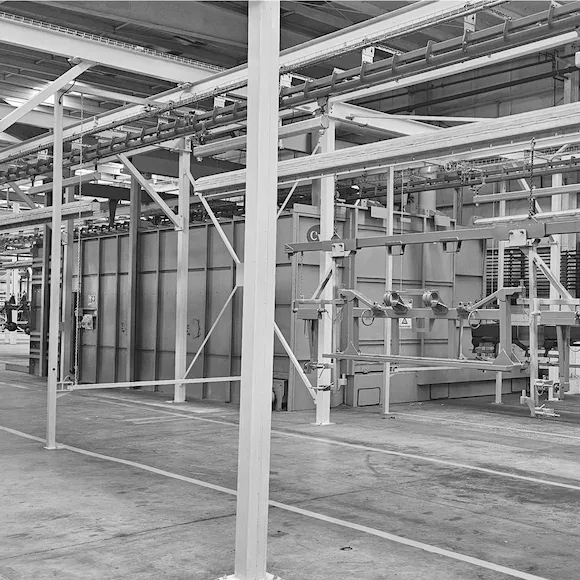
TECHNICAL ARTICLE
Integrated blasting and painting line
Advantages and criteria for structural steel fabricators
Read more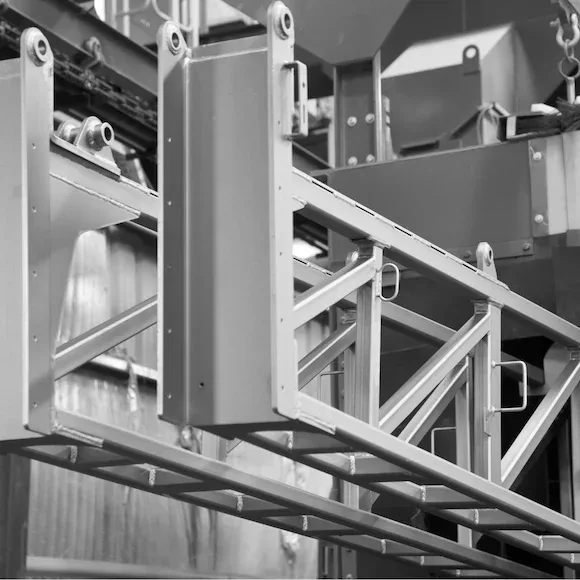
TECHNICAL ARTICLE
Shot blasting of steel profiles and welded structures
Two process stages: raw material before fabrication and finished structure before painting
Read more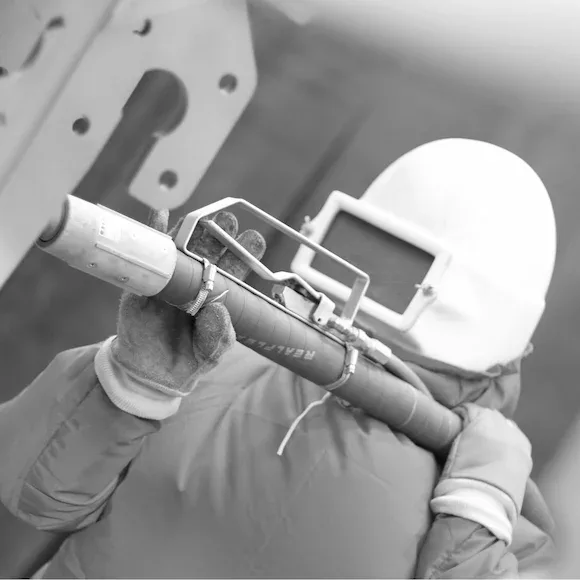
TECHNICAL ARTICLE
SSPC and AMPP surface preparation standards
All grades SP 1 to SP 18 with NACE equivalences and updates since 2015
Read moreSpecial Projects
Can't find the equipment you need?
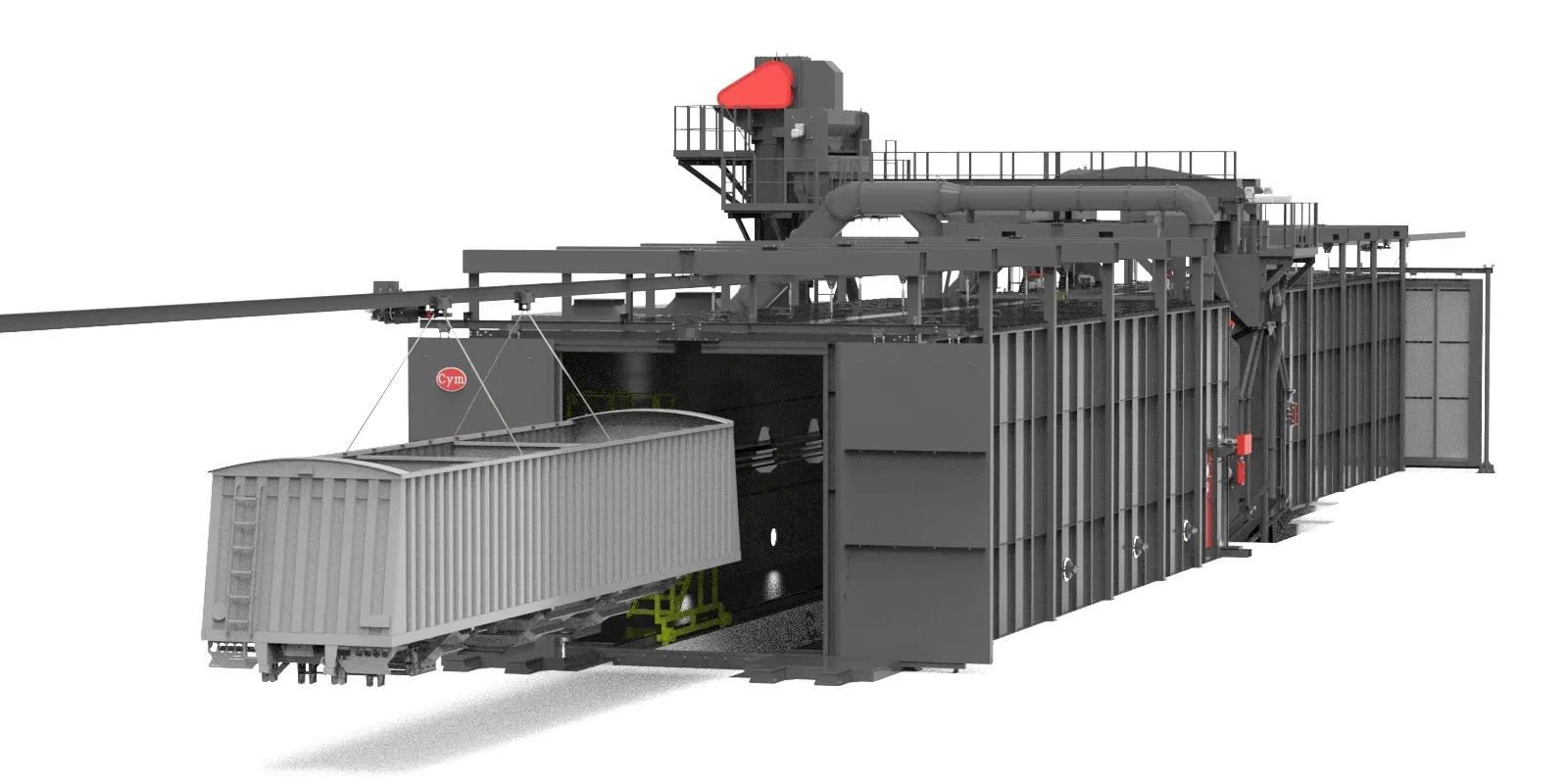
CYM Materiales develops it.
Our Engineering and Sales team works alongside the client to design a custom solution, reducing operating costs and maximizing productivity. Every project starts with a detailed technical assessment and ends with a machine built and tested at our plant
REQUEST A CUSTOM PROJECT