
TECHNICAL ARTICLES
Scrap recycling and the circular economy
SPECIAL STEEL FOUNDRY
The steel cycle, from scrap to part and back
Casting steel is, at its core, recycling it. A foundry's raw material is not freshly mined ore: it is sorted steel scrap that is melted and reborn as a new part. In a time when the environmental footprint of every purchase matters, that cycle has stopped being a process detail and become a real argument: a cast part is, by nature, a circular part.
1. Scrap as raw material
Steel has a property few materials share: it can be recycled endlessly without losing its properties. Melted and re-poured, recycled steel performs just like first-melt steel. That is why a foundry starts from sorted scrap —offcuts, end-of-life parts, production returns— and not from virgin ore. The raw material of the part delivered has already had a previous life.
2. From scrap to a new part
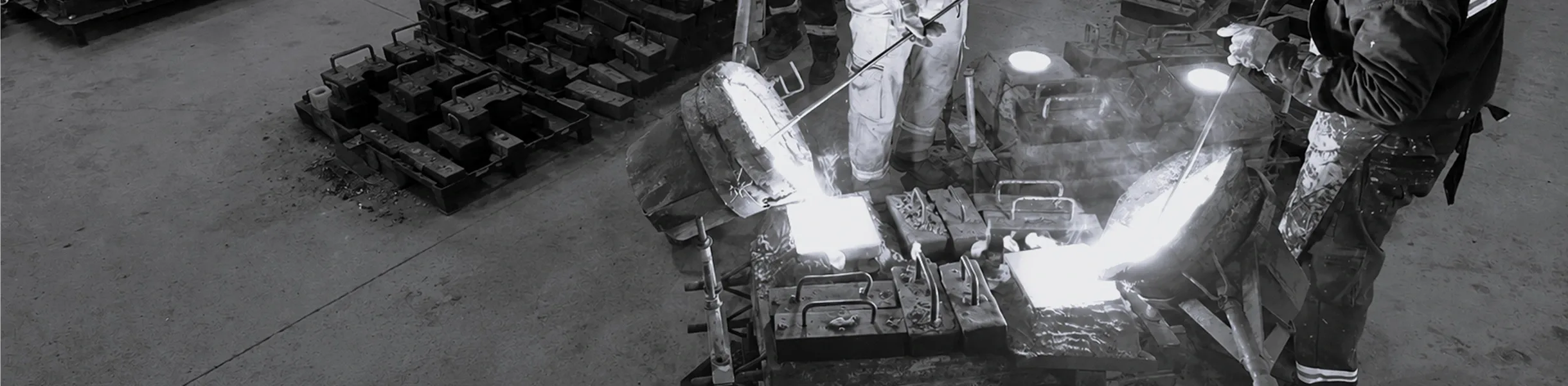
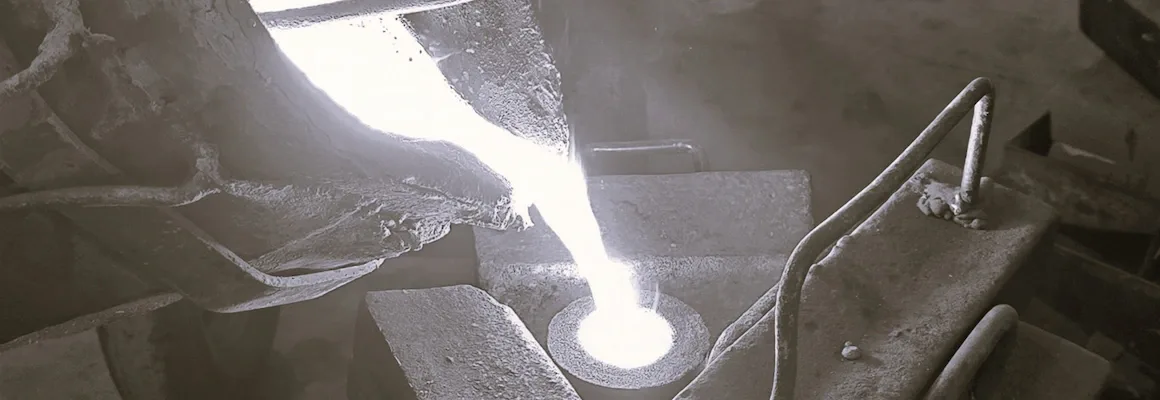
In the furnace, the scrap melts and becomes liquid steel. There the composition is adjusted —adding the alloying elements the part needs— and it is poured into the mold in its final shape. The scrap stops being a heterogeneous discard and becomes a controlled alloy, made to measure for the application. Recycling does not lower quality: the part that comes out meets the same specification as any new steel.
3. Closing the loop: the part comes back
The cycle does not end when the part is delivered. When that part reaches the end of its service life —it wears out, is replaced, is decommissioned—, it becomes scrap again and re-enters the circuit to be melted once more. The steel in a cast part today may have been a structure, a machine or a tool in its previous life, and will be something else in the next. It is a material that circulates, not one that is consumed.
4. Less waste: casting near the final shape
Casting also has a less obvious circular advantage: it reaches almost the final shape of the part, using practically only the metal that stays in it. Machining the same part from a solid block means buying more material and discarding much of it as chips. Less material moved and less discard mean less resource wasted per part produced.
5. What it means for the buyer
For a company with sustainable purchasing criteria, all of this translates into something concrete: choosing a custom cast part is choosing a manufacturing route with recycled raw material and low material waste. It fits naturally into circular-economy and footprint-reduction policies, without giving up quality or performance —the part meets the same technical specification as by any other route.
CONCLUSION
A material that circulates
Steel casting is the circular economy in its purest form: scrap that becomes a part, and a part that —at the end of its life— becomes scrap again. That cycle is not a marketing add-on: it is how the process works. At CYM Materiales we live it in-house: the steel scrap from our own machine manufacturing is recycled by melting it into new parts —for our own equipment and for third parties—. We cast to measure, with per-heat composition control, to deliver recycled-steel parts that meet exactly what the application demands.
KEEP EXPLORING
Related equipment and content
Installations
Equipment in operation
Special Projects
Do you need a custom part that's not in our catalog?
CYM Materials will develop it for you.
Our technical team analyzes each requirement and develops the most suitable solution: from alloy selection and model design to the finished part, ready for installation. Contact us for a free consultation.
CONSULTAR PROYECTOPublished: July 2026