
FAQ
Why are sucker rods shot peened?
SHOT PEENING
How residual compression delays fatigue and corrosion fatigue downhole
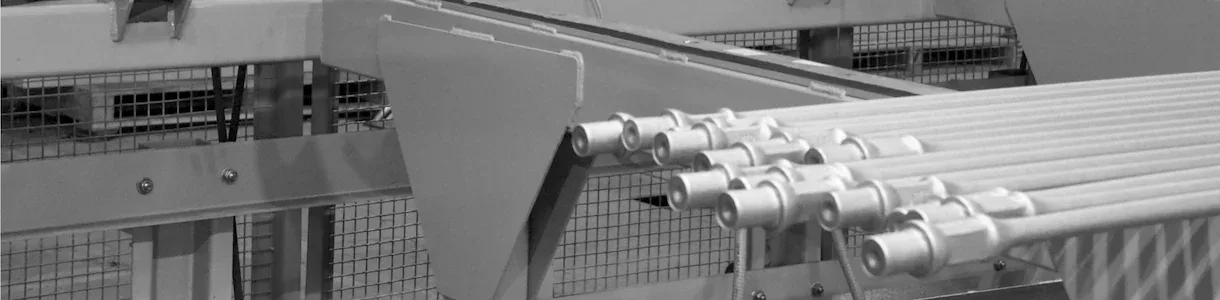
Sucker rods work under cyclic tensile loading for millions of cycles downhole, and that is the mechanism that drives them to fatigue failure. Cracks initiate at the surface, where tensile stresses are highest. Shot peening introduces a layer of residual compression at that surface: as the rod works, the applied tension must first overcome that compression before producing effective tensile stress, which delays crack initiation and increases fatigue life.
In corrosive wells the benefit is twofold: the compressive layer also helps against corrosion fatigue and stress corrosion cracking (SCC), because these mechanisms need surface tensile stress to propagate, and compression counteracts it.
This is why shot peening is a standard treatment in the manufacture of steel sucker rods (for example 4140, API 11B), applied to the rod body, where the failure mode concentrates.
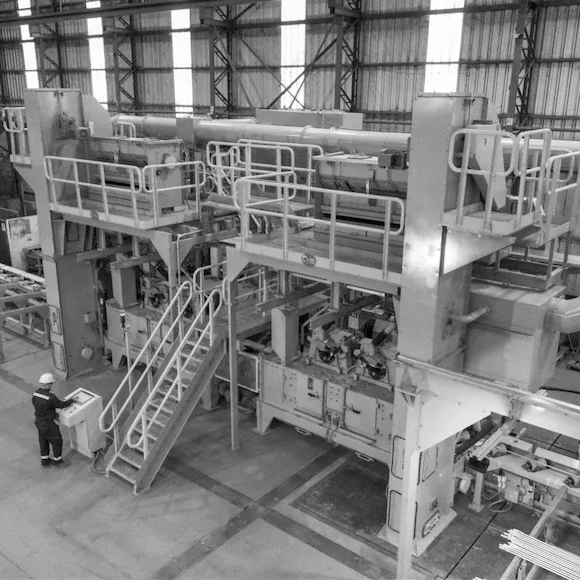
The process may be single or double depending on the demand; for the machines and process detail, see the sucker rod shot peening page and the introduction to the shot peening process.
CYM designs and builds shot peening machines for sucker rods, including in-line double-process configurations.
KEEP EXPLORING
Related equipment and content
FAQ
Single or double shot peening for sucker rods?
When the second pass is justified by the well's fatigue demand
Read more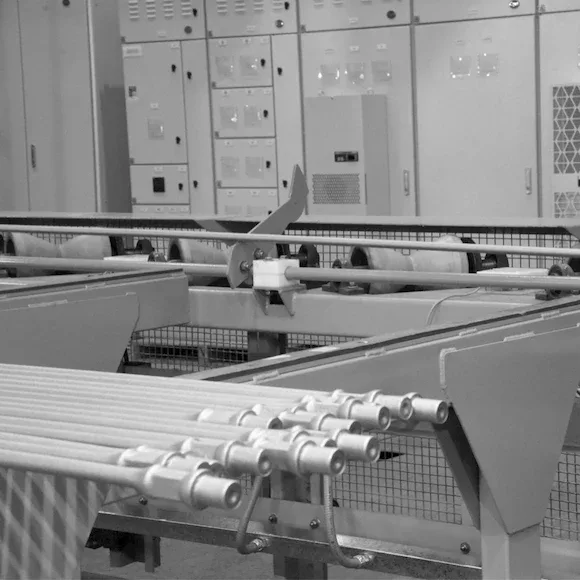
products
Sucker rods shot peening machine
Fatigue treatment for oil-well pumping rods
Read more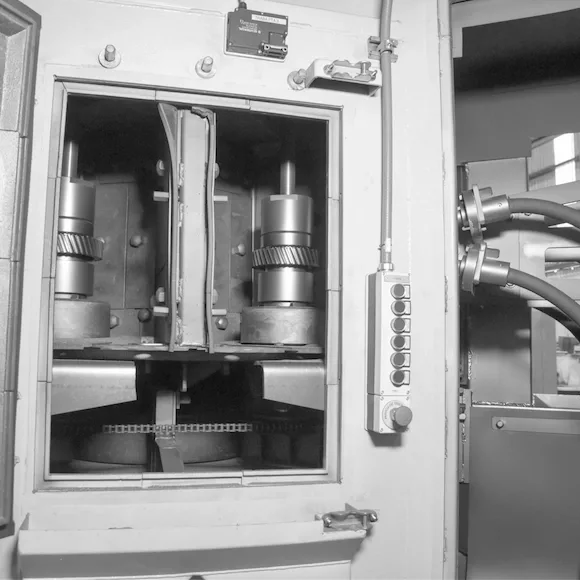
Technical article
Introduction to the shot peening process
Introduction to
the shot peening process
Installations
Equipment in operation
VIDEOS
Equipos en acción
Special Projects
Can't find the equipment you need?
CYM Materiales develops it.
Our Engineering and Sales team works alongside the client to design a custom solution, reducing operating costs and maximizing productivity. Every project starts with a detailed technical assessment and ends with a machine built and tested at our plant
REQUEST A CUSTOM PROJECTPublished: July 2026