
TECHNICAL ARTICLE
When to specify double shot peening
FATIGUE AND SERVICE LIFE
Selection criteria, the two treatment stages and how the process is controlled
Double shot peening does not follow the logic that "more peening is better": it is a specification reserved for components where fatigue failure is not acceptable and where single peening no longer delivers the required margin.
This report addresses the engineering criteria —when to specify it, how it is defined in two stages, why it improves fatigue and how it is controlled. For the fundamentals of the process and its mechanics, please refer to the introduction to the shot peening process.
When it is justified (and when it is not)
Two situations typically justify it. The first is high-demand components, where the best possible performance is sought and the cost of the process weighs less against the value of the part. The second is an increase in demand on parts that already receive shot peening: when loads rise or longer service life is required, adding a second pass is usually the lowest-cost, lowest-redesign improvement compared with changing material, geometry or heat treatment.
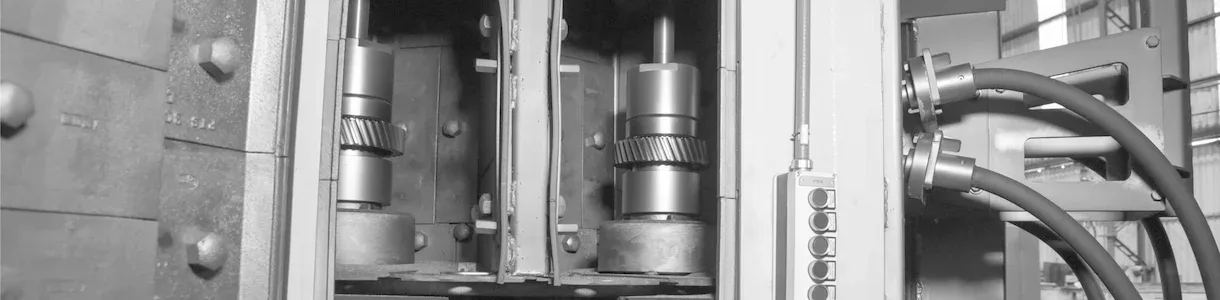
Double shot peening is the reference specification for high-demand components, and CYM has built machines for several of its typical applications: heavy-vehicle transmissions and ring gears, coil and leaf springs, and critical aerospace components. As a reference of the achievable benefit, in heavy-vehicle transmissions one manufacturer obtains around 25% more power from the same gearbox by applying double shot peening. CYM also develops special machines to support manufacturers in fine-tuning the double shot peening process.
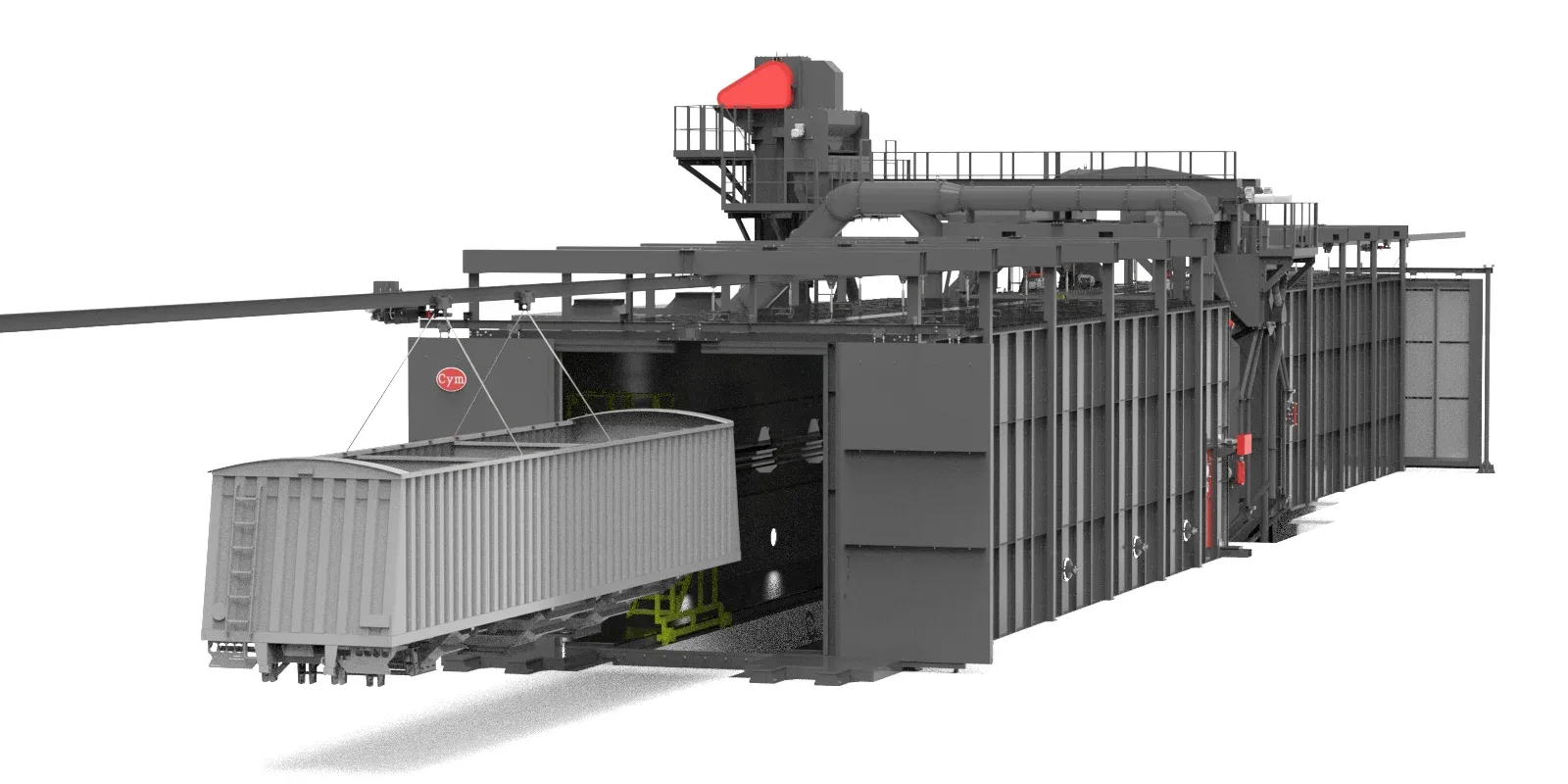
The usual objection is that, being a two-stage process, it would require duplicating machines. The answer depends on the technology and the production volume. In air blast processes, the two passes with different shot sizes are usually handled in a single machine, because the screening system that separates fine shot from coarse shot is easily managed under controlled process conditions. In blast wheel processes and in high-volume production, however, that separation becomes more complex and the recommended approach is two dedicated machines in line, one per stage —as in shot peening of sucker rods, where the first machine works at high intensity and the second at low intensity. CYM designs both configurations, always keeping the shot of each stage under control.
Nor is it universally advisable: in particular geometries —for example fine-wire coil springs with contact between coils— a poorly dimensioned second pass may overload the wire core. The decision is made against the actual failure mode of the part, never by default.
Specification of the two-stage treatment
First stage — large shot. Uses shot of larger diameter and, generally, higher Almen intensity. It produces deep plastic deformation, high compressive residual stresses and a greater depth of the affected layer, which considerably improves resistance to crack initiation and propagation. As a trade-off, it leaves a surface with higher roughness.
Second stage — fine shot. Applies much smaller shot at lower intensity. It reduces the roughness peaks left by the first stage, increases plastic deformation very close to the surface, raises the magnitude of compressive stresses in the first microns and further refines the microstructure. It does not remove the deep stresses already generated, because its energy is insufficient to do so.
The second pass is usually performed with finer steel shot; for carburized gears, the technical literature also reports the use of glass or ceramic media —harder than conventional steel shot and than the carburized surface itself— as an option for specific cases.
Why it improves fatigue strength
With compressive residual stresses at the surface, the effective tensile stress decreases, the number of cycles required to initiate a crack increases and the propagation rate is reduced. In addition, the lower roughness contributed by the second stage lowers stress concentration factors, further delaying initiation.
It is the combination —deep compression from the first stage plus surface compression and finish from the second— that explains the improvement in fatigue life.
How the process is controlled
Two levels should be distinguished. As the machine manufacturer, CYM ensures and repeats what the peening process does control: intensity and coverage, verified by Almen test. Peening acts on the surface of the part; final fatigue performance also depends on its previous history —material, chemical composition, heat treatment—, equally decisive and beyond the scope of the machine.
The effective residual stress in a given component is verified by X-ray diffraction, a well-known method used by many companies to characterise their process. It is a measurement of the result on that particular part —not a parameter the machine controls— because it depends on the type of part, the material, the heat treatment and the peening (shot type, hardness, impact velocity).
Note The only control method known to date in shot peening processes is the measurement of intensity and coverage (Almen test). Residual stress, in contrast, is directly related to the type of part, the material, the heat treatment and the peening (shot type, hardness, impact velocity, etc.); if any of these variables changes, it will directly affect the resulting residual stress.
For process development, the recommended practice is to run fatigue tests on parts from the same batch with and without the treatment, in order to quantify the improvement on the actual component. Reference standards (SAE J442/J443/J2277, AMS) are cited for guidance only.
FOR YOUR DECISION
An engineering decision, not an add-on
Double shot peening pays off when there is a specific fatigue failure mode that single peening does not cover and the part justifies the additional control. Properly specified —two complementary stages— and executed in the right machine configuration, it is the most efficient way to gain fatigue life in critical components.
At CYM we design and build shot peening machines that ensure repeatable intensity and coverage results, tailored to the component and to the level of process control required.
KEEP EXPLORING
Related equipment and content
Technical article
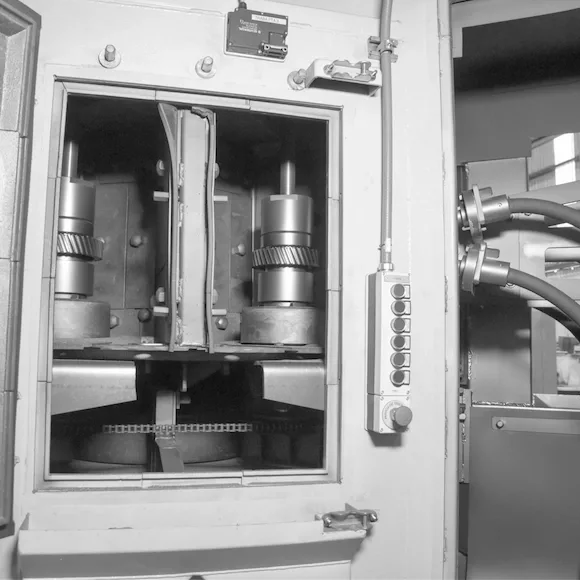
Introduction to the shot peening process
Introduction to
the shot peening process
FAQ
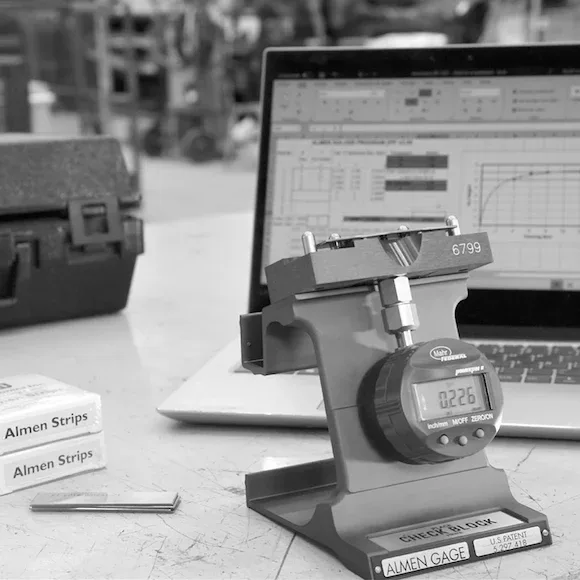
What is the Almen strip test and how is it done?
Almen test — the standard method for measuring shot peening intensity
Read more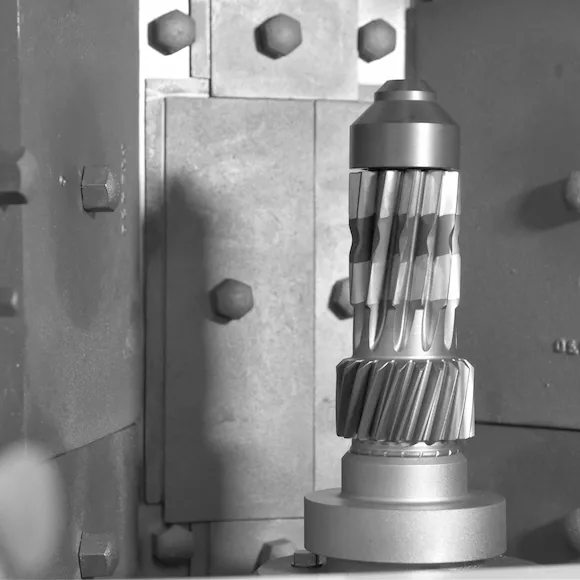
Productos
Shot Peening machines
Equipment to increase fatigue resistance
Read moreInstallations
Equipment in operation
videos
Equipment in action
Special Projects
Can't find the equipment you need?
CYM Materiales develops it.
Our Engineering and Sales team works alongside the client to design a custom solution, reducing operating costs and maximizing productivity. Every project starts with a detailed technical assessment and ends with a machine built and tested at our plant
REQUEST A CUSTOM PROJECTPublished: July 2026