
FAQ
what is shot peening?
SHOT PEENING
Surface treatment to increase fatigue resistance
Shot peening is a controlled surface treatment process in which spherical particles are propelled at high velocity against the surface of a metal component. Unlike cleaning shot blasting, whose purpose is to remove contaminants, shot peening has a specific mechanical objective: to induce residual compressive stresses in the surface layer of the material, significantly increasing its resistance to fatigue, fracture and stress corrosion cracking.
On impact, each spherical particle produces a small plastic deformation that compresses the metallographic grains and generates a compressive stress layer between 50 and 250 microns deep. These compressive stresses counteract the tensile stresses generated during component service — which are responsible for initiating and propagating fatigue cracks. The result is a stronger component with longer service life.
The process is controlled using the Almen test, which measures shot peening intensity through the arc height induced in a standard test strip. Intensity, coverage and shot size parameters are defined and verified in accordance with SAE J443. Shot peening is always performed after heat treatment and grinding — never before.
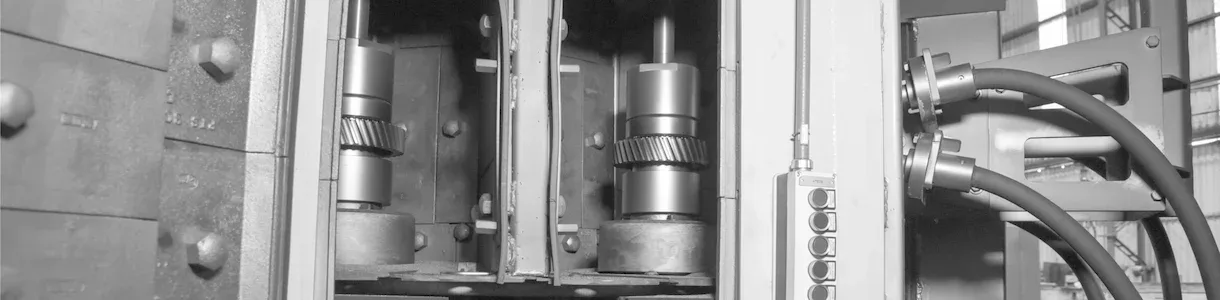
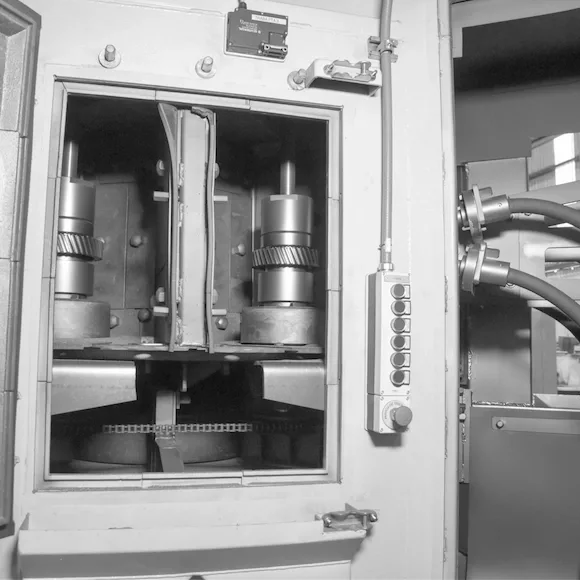
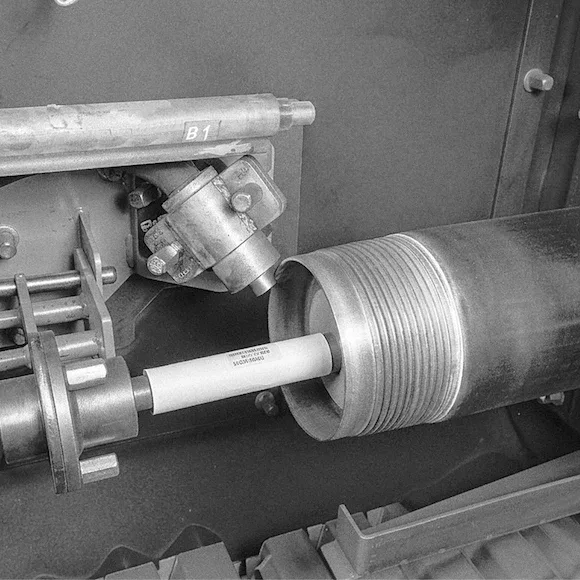
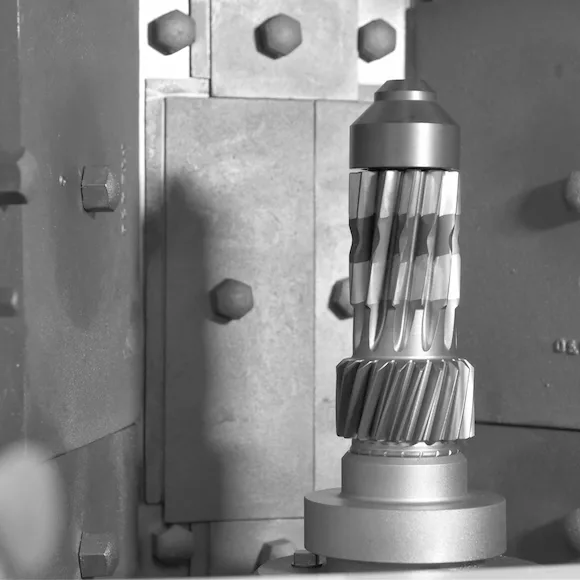
The main applications of shot peening are in components subjected to cyclic bending and torsion loads: coil springs and leaf springs, gears and pinions, clutch discs, stabilizer bars, sucker rods, threaded tube connections and aeronautical components. CYM Materiales manufactures centrifugal turbine and compressed air shot peening machines custom-built for each application.
KEEP EXPLORING
Related equipment and content
Technical article
Introduction to the shot peening process
Introduction to
the shot peening process
Technical article
Why shot peening must be automatic and controlled
Repeatability, traceability and why an “eyeballed” process fails on fatigue parts
Shot peening has an un
Productos
Shot Peening machines
Equipment to increase fatigue resistance
Read moreInstallations
Equipment in operation
Special Projects
Can't find the equipment you need?
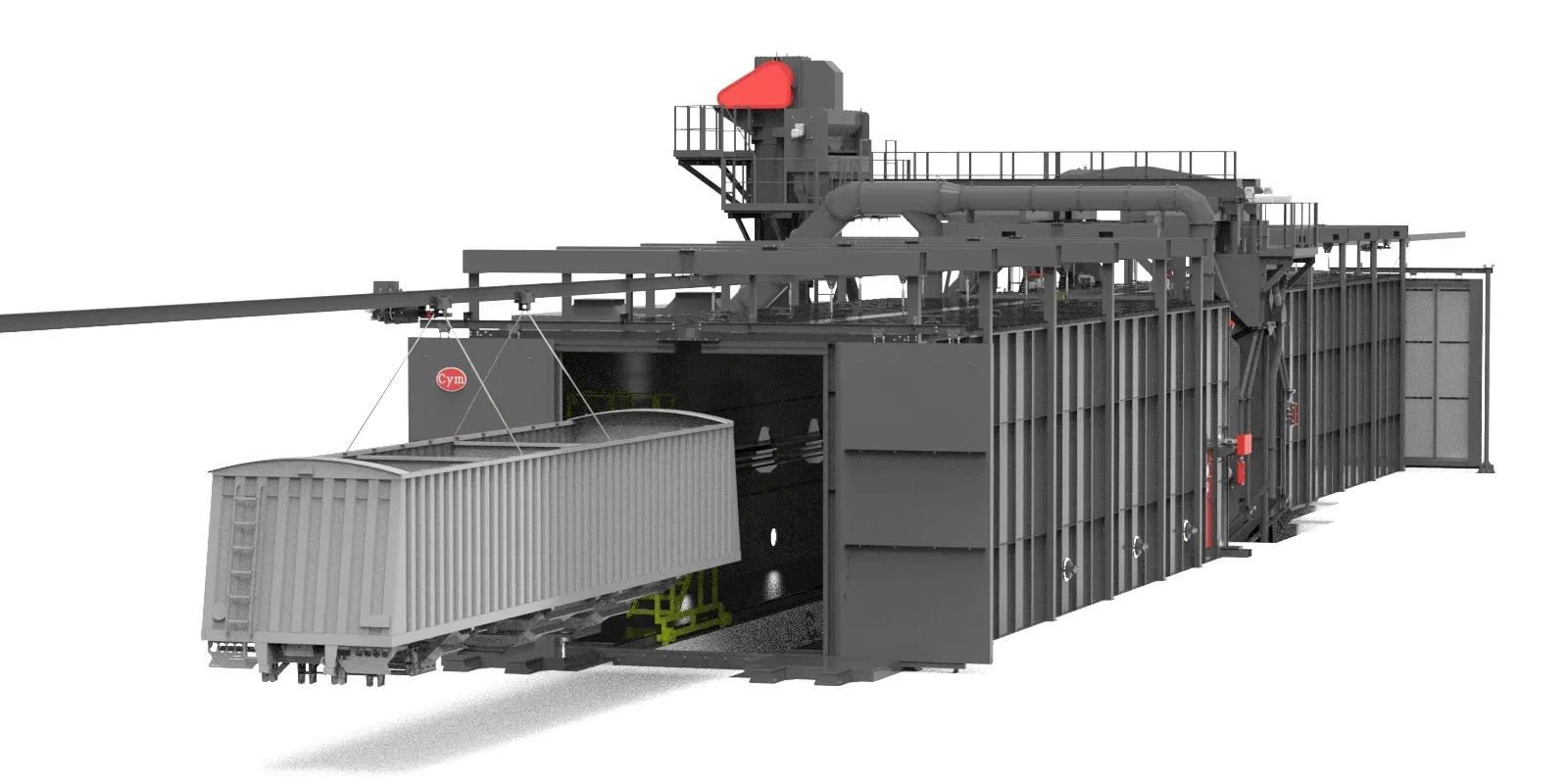
CYM Materiales develops it.
Our Engineering and Sales team works alongside the client to design a custom solution, reducing operating costs and maximizing productivity. Every project starts with a detailed technical assessment and ends with a machine built and tested at our plant
REQUEST A CUSTOM PROJECTPublished: June 2026