

TECHNICAL ARTICLES
Wet blasting with induction nozzle
NO DUST NO SPARKS
Your standard equipment converted with a single nozzle
Dry blasting generates airborne dust and sparks, two conditions that leave it out of distilleries, hydrocarbon tanks, silos and any environment with safety restrictions. Wet blasting solves both problems by incorporating water into the stream. And no dedicated equipment is needed: with a single water induction nozzle, the standard pressure blasting equipment you already own becomes a wet blasting system — with the option to work dry or wet on the spot, depending on the task.
1. What wet abrasive blasting with an induction nozzle is?
Wet abrasive blasting incorporates water into the air and abrasive stream. In the case of the induction nozzle, water is induced by suction inside the nozzle itself, just before the outlet, without altering the working pressure of the equipment. The abrasive keeps the impact energy of dry blasting — the nozzle is not meant to soften the blow, but to wrap the stream in water to suppress dust and eliminate sparks. The result is the same cleaning effectiveness as conventional blasting, but without the two conditions that make it dangerous in certain environments.
2. The problem of dry blasting in high-risk environments
Dry blasting generates two risks that restrict its use. The first is airborne dust: the mixture of pulverized abrasive and detached contaminants pollutes the work environment and requires collectors and special precautions. The second, more critical, are the sparks produced by the impact of the abrasive against the steel. In distilleries, hydrocarbon tanks, silos, petrochemical plants and any potentially explosive atmosphere, those sparks represent an unacceptable ignition risk — which is why dry blasting is restricted or outright prohibited in those environments.
3. The solution: no dust and no sparks
By incorporating water into the stream, wet blasting eliminates both risks at the root. The water knocks down dust at the point of impact, preventing material from remaining airborne. And it suppresses sparks, enabling surface preparation in environments where dry blasting cannot operate. As an added benefit, the water immediately washes away the detached contaminants achieving a deeper cleaning, and prevents abrasive particles from becoming embedded in the surface causing premature corrosion or adhesion problems with the subsequent coating.
4. Low investment: from standard equipment to wet blasting, and versatile
There are two ways to do wet blasting. The first is to acquire a dedicated wet blasting unit, a significant investment in a single-purpose machine. The second —far more accessible— is to add a water induction nozzle to the standard pressure blasting equipment the company already owns. With that single investment, the existing equipment starts doing wet blasting without modifications to the installation. And thanks to the nozzle's ON/OFF valve, the operator chooses on the spot how to work: with the water open it does wet blasting; with the water closed, the nozzle works as a conventional dry blast. One accessory, two processes, according to what each task requires.
5. How the water induction nozzle works?
The CYM induction nozzle uses a venturi design that induces water by suction inside the nozzle itself, mixing it with air and abrasive to achieve optimal atomization at the outlet. The core is tungsten carbide —a material of high wear resistance— with an aluminum protector. It connects to any standard pressure blasting equipment without modifications, and includes the water hose with the ON/OFF valve that allows switching between wet and dry. Models range from #4 to #8 according to the throat diameter and the required water flow, covering everything from detail work to extensive surfaces.
6. Low-cost abrasives, single use
Wet blasting works with low-cost abrasives such as sand, garnet or other disposable minerals. The reason is economic and defines the process: unlike turbine wheel blasting, where the metallic shot is recovered and recycled in a closed circuit, in wet blasting the abrasive is discarded along with the water after a single use. That is why economical single-cycle abrasives are used, and never metallic shot — using an expensive abrasive that is discarded in one pass would make no operational sense.
CONCLUSION
Two processes in one nozzle
With the minimal investment of a water induction nozzle, a standard pressure blasting unit becomes a system capable of working dry or wet, depending on what each job requires. It is the most accessible way to enable wet blasting where dry cannot enter —distilleries, tanks, silos— without giving up the conventional dry blast option.
Published: July 2026
KEEP EXPLORING
Related equipment and content

FAQ
Can I convert my sandblasterinto a wet blasting unit?
No dust or sparks, using the equipment you already own
Read more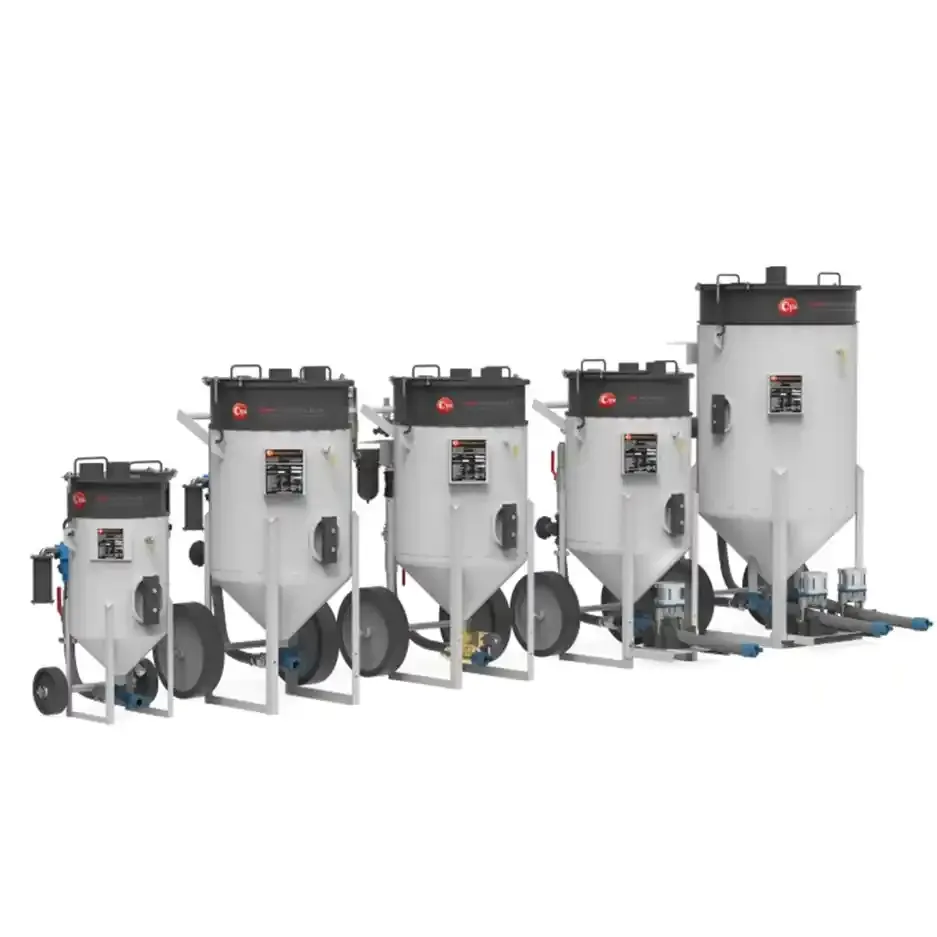
LINE CY-M · CY-D · CY-DD · CY-P
Blast pot
70 to 500 liters — one unit for every application and work volume
Read more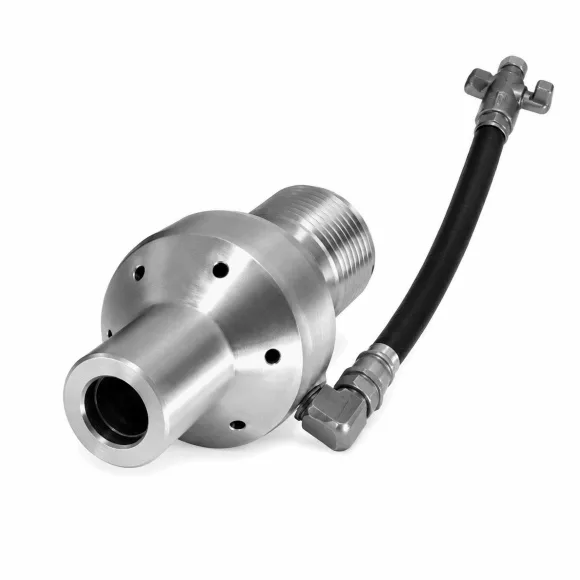
products
Wet Blast Nozzles
Water induction — spark-free dust-free blasting for high-risk environments
Read moreInstallations
Equipment in operation
videos
Equipment in action
Special Projects
Can't find the equipment you need?
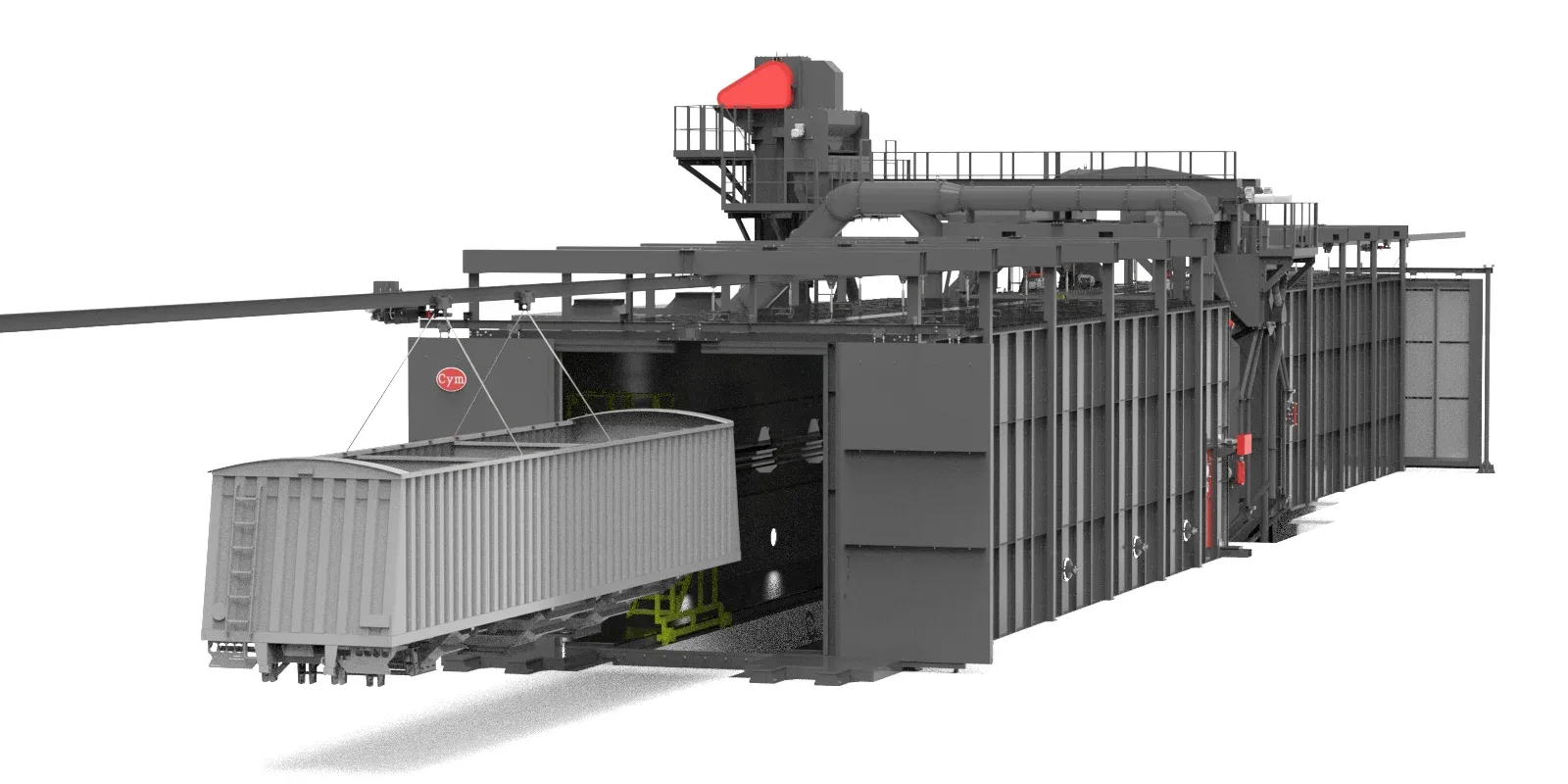
CYM Materiales develops it.
Our Engineering and Sales team works alongside the client to design a custom solution, reducing operating costs and maximizing productivity. Every project starts with a detailed technical assessment and ends with a machine built and tested at our plant
REQUEST A CUSTOM PROJECT