
FAQ
Does shot blasting pollute the environment?
SHOT BLASTING PROCESS · SAFETY
Shot blasting and the environment — real impact and how to control it
Industrial shot blasting in an enclosed machine is a process with very low environmental impact when correctly applied. Unlike sandblasting with silica sand — which generates large volumes of toxic dust and difficult-to-manage waste — shot blasting with metallic shot in automatic machines operates in a closed circuit: the abrasive is continuously recovered, cleaned and reused.
The process generates two main types of waste: the fine dust captured by the dust collection system (mixture of mill scale, rust and worn abrasive) and the fine shot discarded in the separator. Both are dry solid wastes managed according to local environmental regulations — no liquid effluents or gaseous emissions.
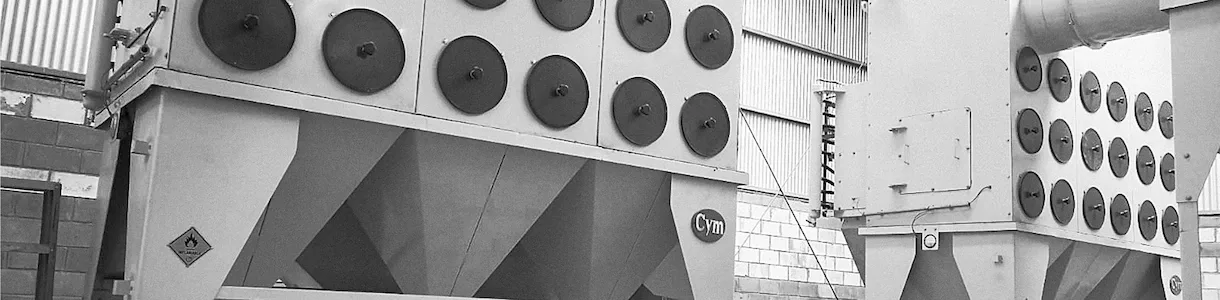
The industrial dust collection system is the key to environmental control. A correctly sized dust collector retains the fine particles generated during the process before they reach the exterior. High-efficiency cartridge filters reduce emissions to levels well below the limits established by environmental regulations in Argentina, Brazil and the region.
Sandblasting on site — traditional sandblasting — does have greater environmental impact: it generates silica dust, larger volumes of waste and is difficult to contain in open spaces. For this reason, the global trend is to replace it with portable closed-circuit machines that recover the abrasive and contain the dust generated.
KEEP EXPLORING
Related equipment and content
FAQ
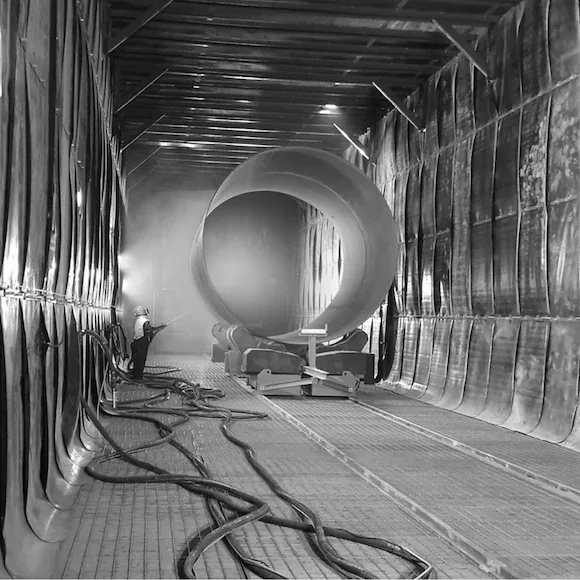
Safety recommendations for shot blasting
Operator protection, PPE and safe working conditions
Read more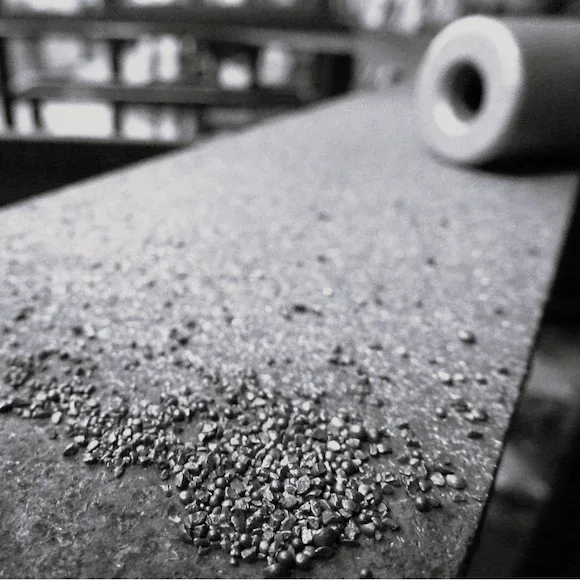
Technical article
Steel shot vs. silica sand
Steel shot or sand: which is better in enclosed spaces
Read moreFAQ
Why replace sand with metallic shot?
Metallic shot vs sand — operational and economic advantages
Read moreInstallations
Equipment in operation
videos
Equipment in action
Special Projects
Can't find the equipment you need?
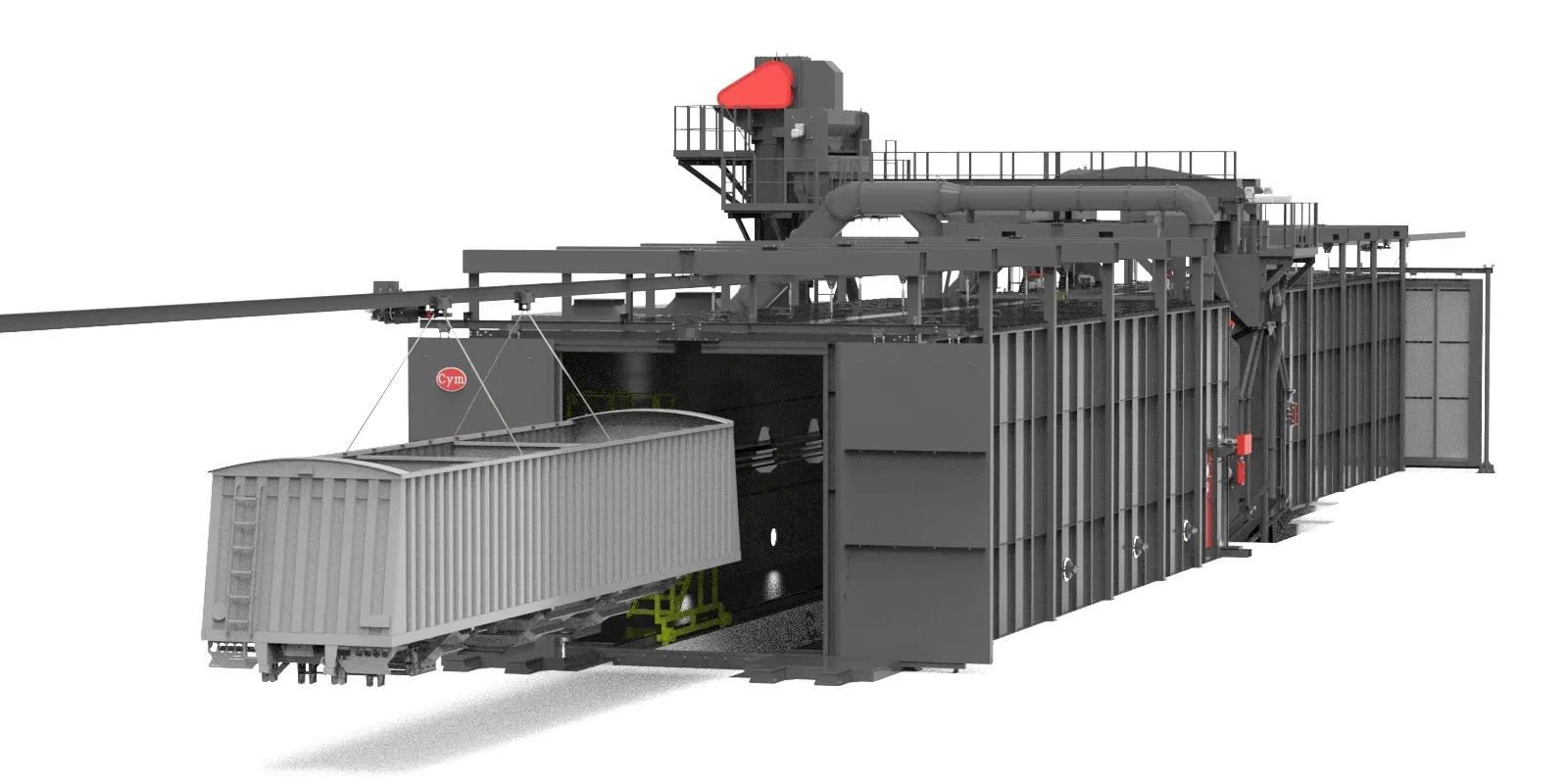
CYM Materiales develops it.
Our Engineering and Sales team works alongside the client to design a custom solution, reducing operating costs and maximizing productivity. Every project starts with a detailed technical assessment and ends with a machine built and tested at our plant
REQUEST A CUSTOM PROJECTPublished: June 2026