

FAQ
Safety recommendations for shot blasting
OPERATIONAL SAFETY
Operator protection, PPE and safe working conditions
Shot blasting is an industrial process that generates high-velocity particles, dust and noise. Operator safety depends on the correct combination of personal protective equipment, well-maintained blast machines and established work procedures.
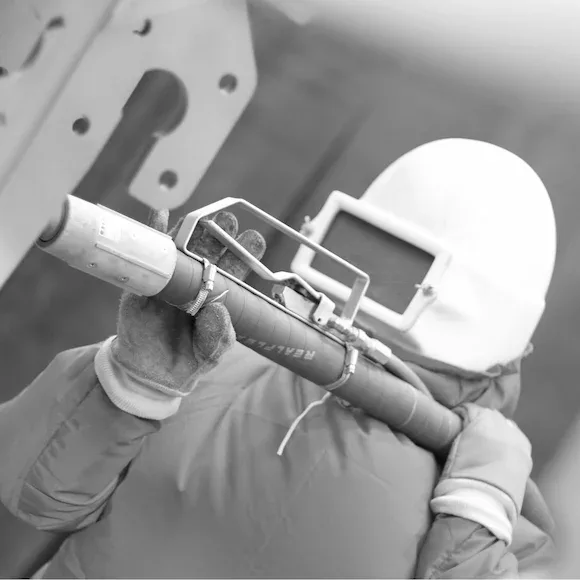
In manual blast rooms — where the operator works inside the enclosure with a compressed air nozzle — protective equipment is mandatory and essential: approved blast helmet with breathing air supply, leather or canvas protective suit resistant to abrasive impact, safety boots and gloves. The air supplied to the helmet must be filtered breathing air — not industrial air — and the compressor must be located in a dust-free zone. The air supply pressure to the helmet must be maintained between 4 and 6 kg/cm².
The noise level generated by shot blast machines frequently exceeds 85 dB(A). The use of hearing protection — earplugs or earmuffs — is mandatory for all personnel remaining in the vicinity of the machine during the process.
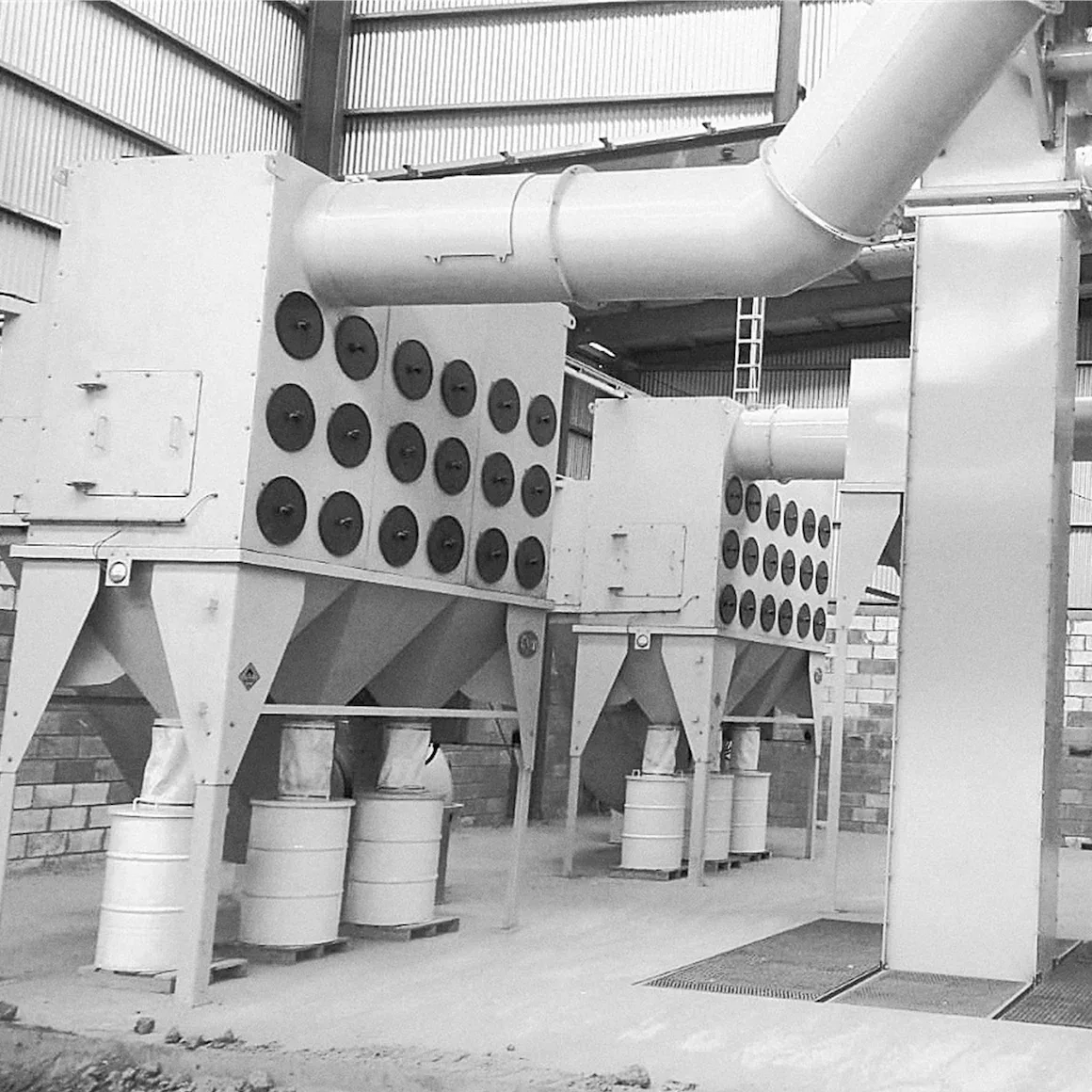
The industrial dust collection system must be operational throughout the process and periodically verified. An insufficient or poorly maintained dust collection system not only affects process quality — it reduces visibility — but also puts operator health at risk from inhalation of fine particles.
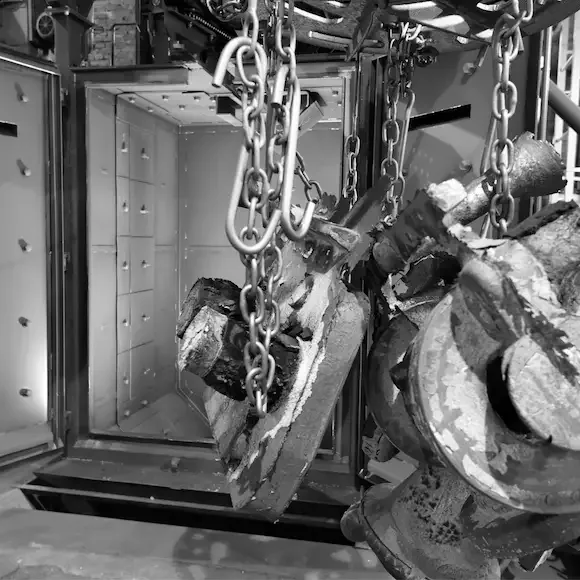
Access to automatic machines must be blocked during operation by electrical and mechanical interlocks. Doors must never be opened or the blast chamber accessed while the machine is running. No operator should work in a blast room without having received specific training on the correct use of the equipment and required PPE.
KEEP EXPLORING
Related equipment and content
Installations
Equipment in operation
videos
Equipment in action
Special Projects
Can't find the equipment you need?
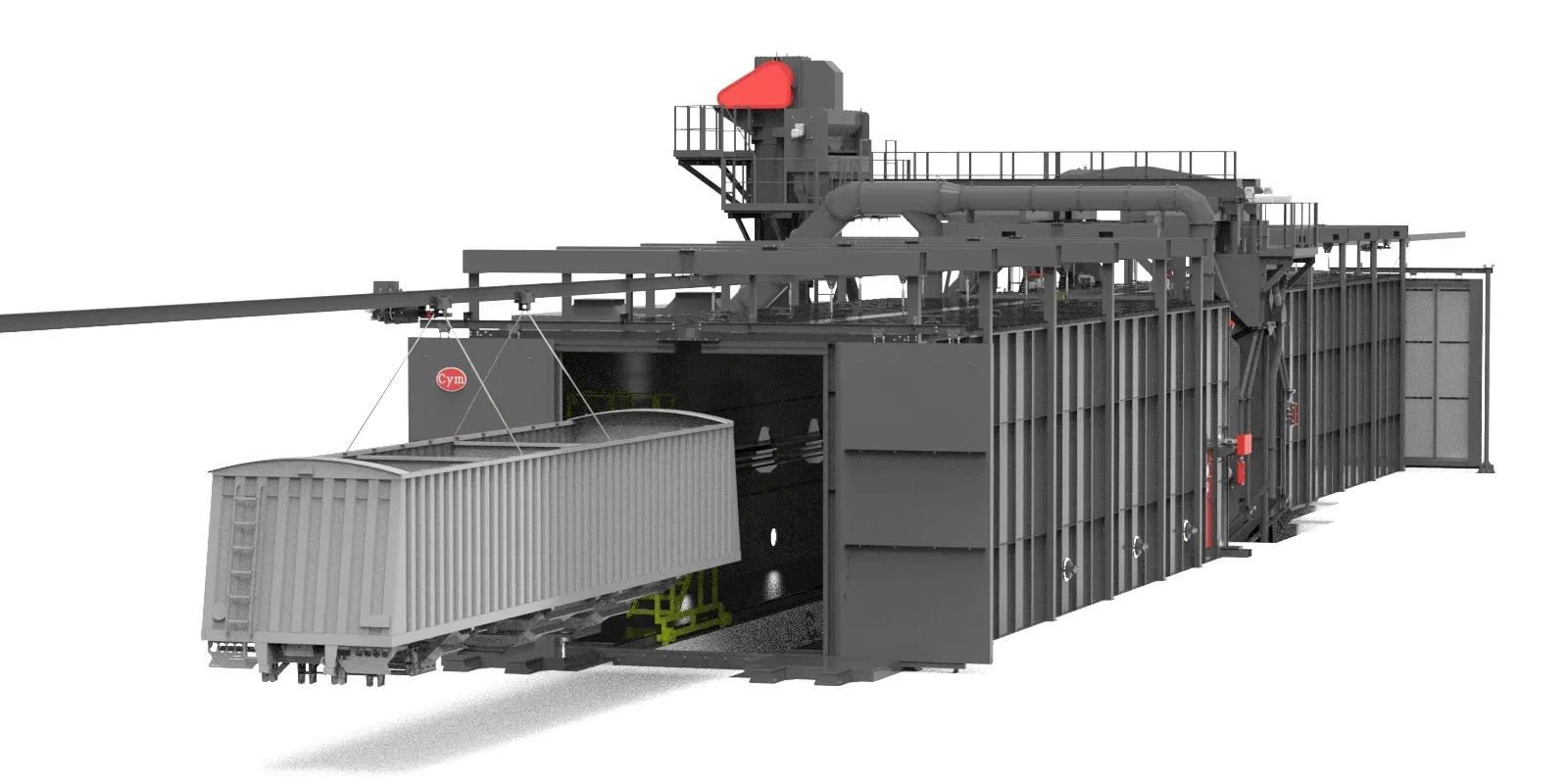
CYM Materiales develops it.
Our Engineering and Sales team works alongside the client to design a custom solution, reducing operating costs and maximizing productivity. Every project starts with a detailed technical assessment and ends with a machine built and tested at our plant
REQUEST A CUSTOM PROJECTPublished: June 2026