
faq
What is shot blasting?
SHOT BLASTING PROCESS
Industrial shot blasting — process, applications and equipment
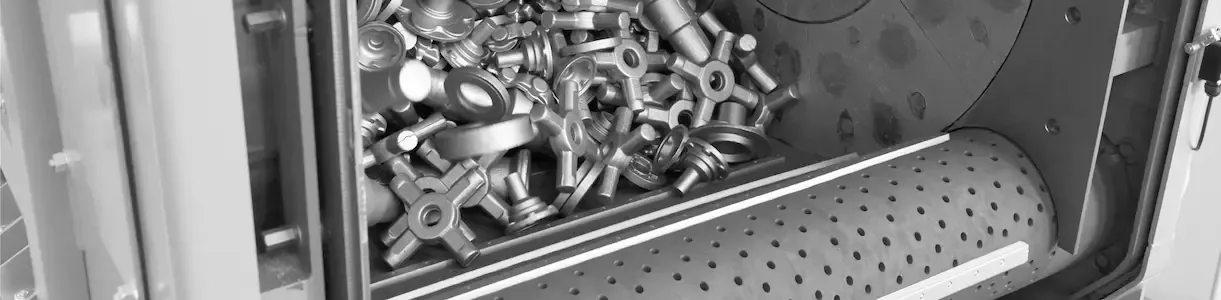
Shot blasting is a surface treatment process in which metallic or mineral abrasive particles are propelled at high velocity — between 65 and 110 m/s — against the surface of a metal part. On impact, the abrasive removes rust, mill scale, foundry sand, old paint and other contaminants, leaving the surface clean with a controlled roughness profile.
That roughness profile — known as anchor profile — is essential to ensure maximum adhesion of paints, anticorrosive coatings, metallizing and other surface treatments. Without proper surface preparation, any coating tends to peel prematurely, compromising the protection of the part.
There are two shot blasting technologies depending on the abrasive projection system. In centrifugal wheel blasting, the abrasive is propelled by a rotating wheel driven by an electric motor — a high-productivity, low operating cost system ideal for continuous inline processes. In compressed air blasting, the abrasive is propelled by a pressurized air stream through nozzles — a more flexible system suited to large parts, complex geometries or on-site work.
Shot blasting is applied across a wide range of industries: foundry and forging, steel structure fabrication, automotive and auto parts, oil & gas, shipbuilding, steel making, construction and wind energy, among others. In all cases the objective is the same — a clean, uniform surface with the right profile for the next process.
KEEP EXPLORING
Related equipment and content
Technical article
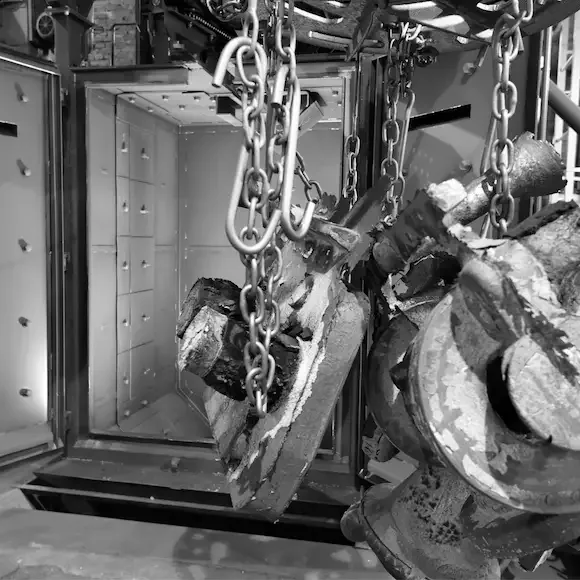
Introduction to the shot blasting process
What shot blasting is and how it works
Read more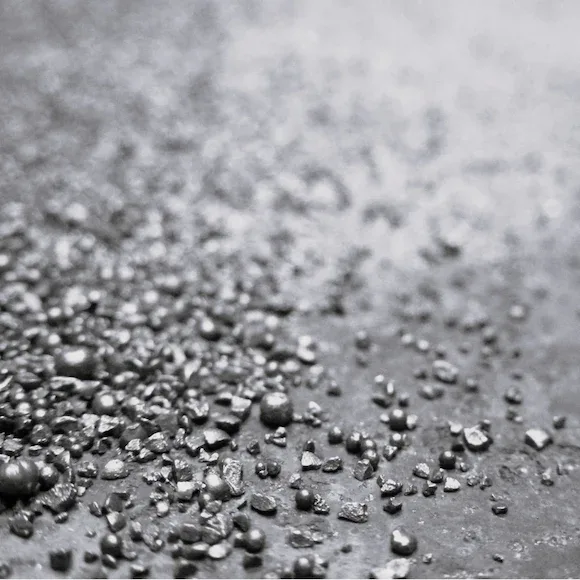
FAQ
What is shot blasting abrasive?
Shot blasting abrasive — the material that defines process quality
Read more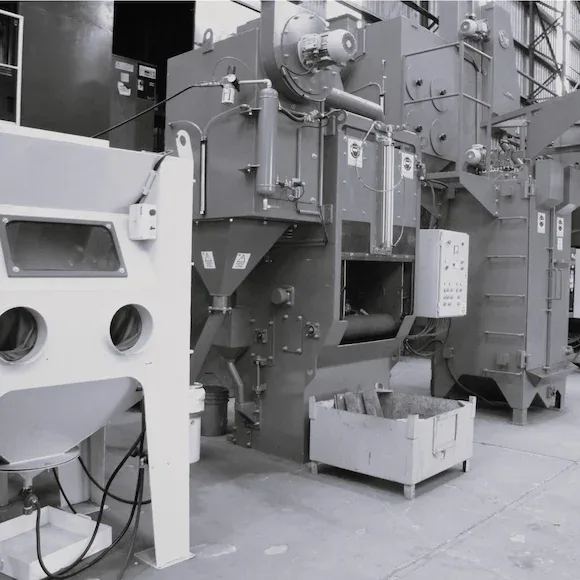
FAQ
Turbine or compressed air what is the difference?
How to choose the right system for your process?
Read moreInstallations
Equipment in operation
videos
Equipment in action
Special Projects
Can't find the equipment you need?
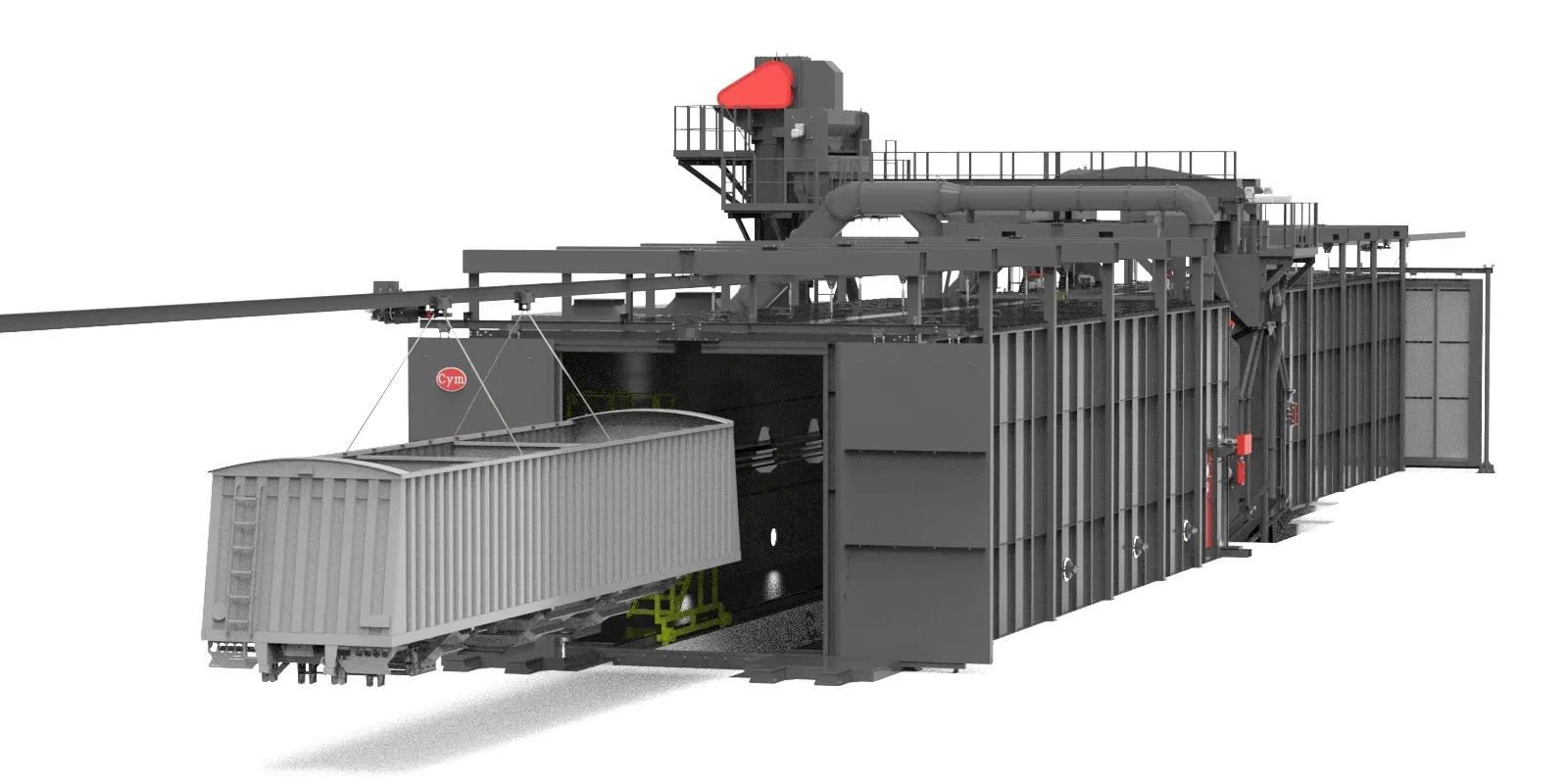
CYM Materiales develops it.
Our Engineering and Sales team works alongside the client to design a custom solution, reducing operating costs and maximizing productivity. Every project starts with a detailed technical assessment and ends with a machine built and tested at our plant
REQUEST A CUSTOM PROJECTPublished: June 2026