

FAQ
Why prepare the surface before coating?
SHOT BLASTING PROCESS
Surface preparation — the foundation of every lasting coating
Surface preparation is the most important step in any painting or anticorrosive coating system. Regardless of the quality of the paint used, if the surface is not correctly prepared, the coating will fail prematurely — with the cost that implies in materials, labor and downtime.
The objective of surface preparation by shot blasting is twofold. First, to remove all contaminants that prevent coating adhesion: rust, mill scale, foundry sand, old paint, grease and salts. Second, to generate a controlled roughness profile — the anchor profile — that maximizes the contact surface between the coating and the substrate, multiplying mechanical adhesion.
International standards ISO 8501 (Europe) and SSPC (North America) define the cleanliness grades required for each type of coating and exposure condition. Grade Sa 2½ (ISO 8501) is the most frequently required in industrial paint specifications: surface free of mill scale, rust and contaminants, with light shadows permitted. Grade Sa 3 is the most demanding: bright metal surface free of any visible contaminant.
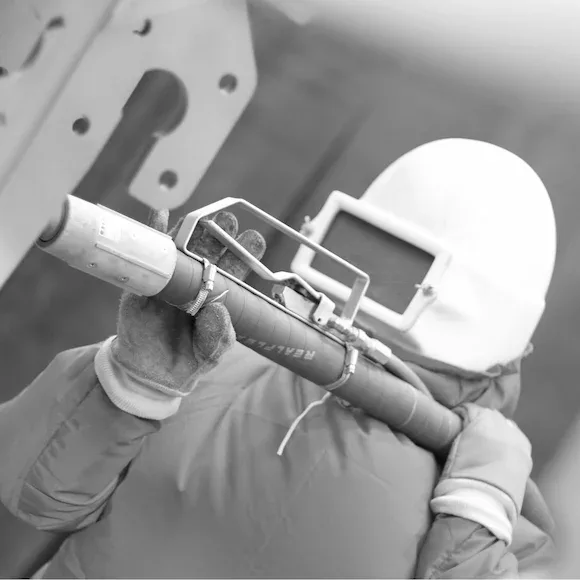
Automatic turbine shot blasting is the most efficient method for surface preparation in production lines: high productivity, uniform and reproducible anchor profile, and a process verifiable with a profilometer. For field work or large parts, portable compressed air blast machines are used.
KEEP EXPLORING
Related equipment and content
TECHNICAL ARTICLE
SSPC and AMPP surface preparation standards
All grades SP 1 to SP 18 with NACE equivalences and updates since 2015
Read more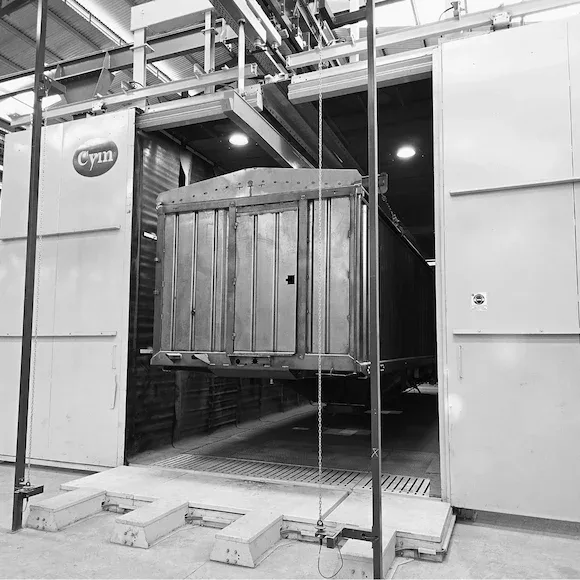
FAQ
What surface preparation grade do I need?
How to choose the grade by coating and environment
Read more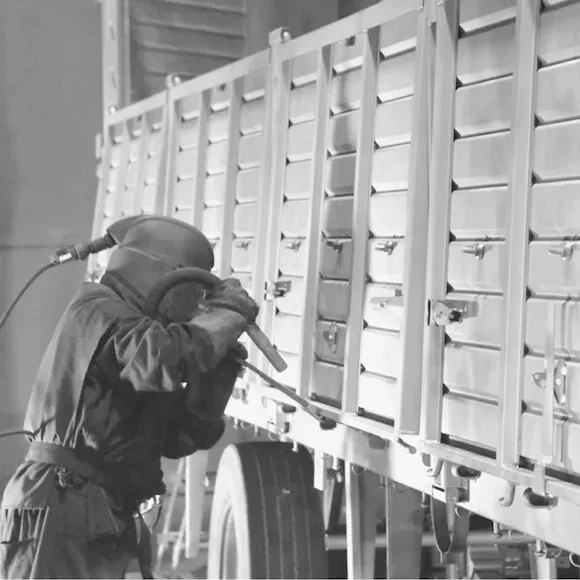
TECHNICAL ARTICLE
Corrosion in steel and the role of shot blasting
How surface preparation extends the service life of steel
Read moreSpecial Projects
Can't find the equipment you need?
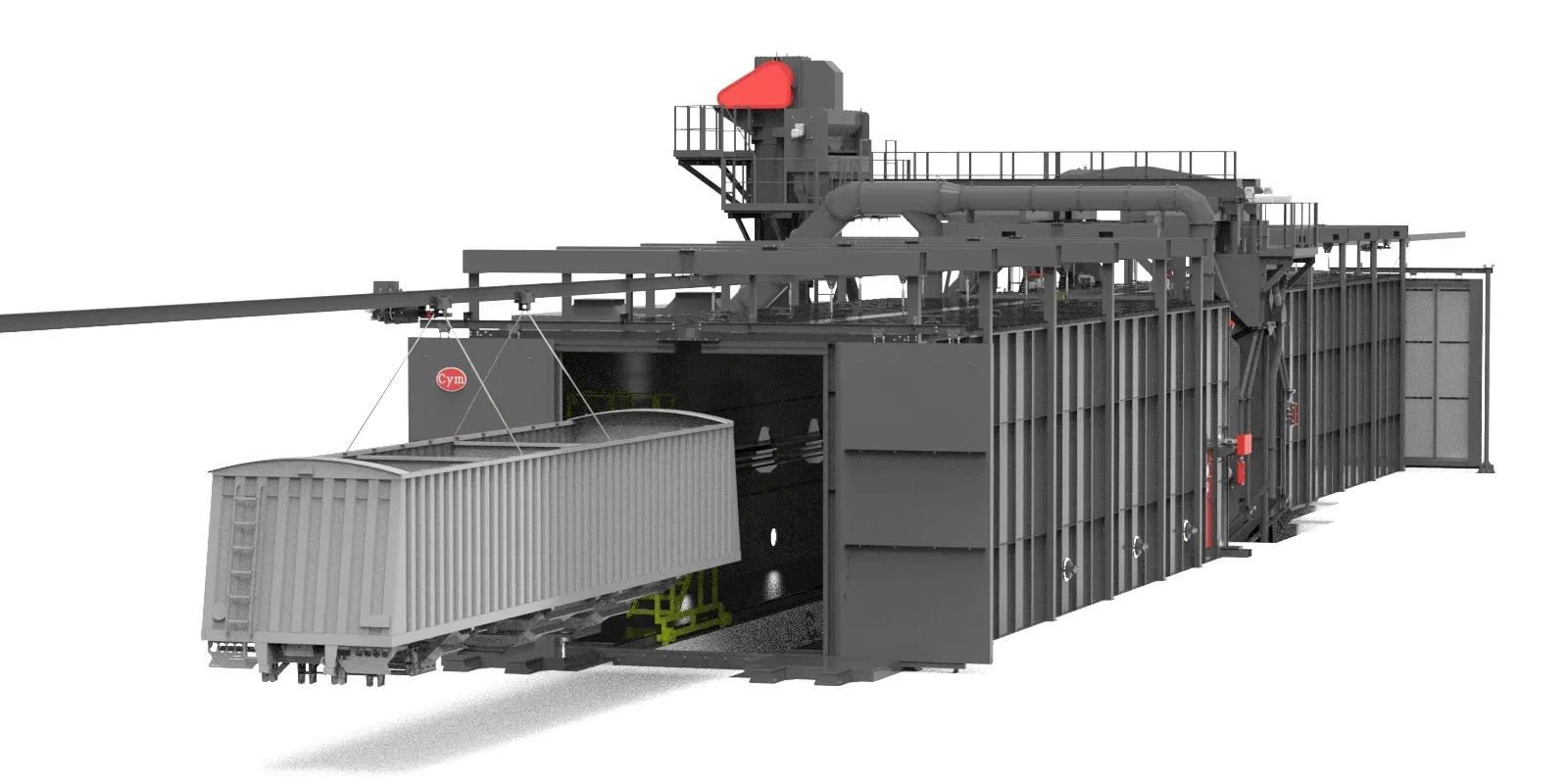
CYM Materiales develops it.
Our Engineering and Sales team works alongside the client to design a custom solution, reducing operating costs and maximizing productivity. Every project starts with a detailed technical assessment and ends with a machine built and tested at our plant
REQUEST A CUSTOM PROJECTPublished: June 2026