

Technical article
Shot blasting and phosphating: when they compete and when to combine them
SURFACE PREPARATION
Mechanical anchor profile or chemical barrier: what each case needs
Before painting steel, the goal is always the same: make the paint last. Two processes often come up as options —shot blasting (mechanical) and phosphating (chemical)— and they are sometimes presented as alternatives when in reality they solve different things and, in the most demanding cases, work together. Below we explain what each does, when one replaces the other, and when it makes sense to chain them.
What each process does
Shot blasting is a mechanical impact treatment: the abrasive bombards the surface at high speed, removing mill scale, rust and old paint, and leaving a roughness profile that acts as a mechanical anchor for the paint. It is the only process that removes mill scale from hot-rolled steel.
Phosphating is a chemical conversion treatment: an acid bath converts the steel surface into a layer of phosphate crystals. That layer improves paint adhesion and adds a corrosion barrier. It does not remove mill scale, rust or old paint.
When they compete: the critical point is mill scale
Phosphating works well on thin, clean cold-rolled sheet with no scale. The problem appears with hot-rolled steel: if the mill scale is not removed first, phosphating forms its layer over an unstable base that cracks under impact or thermal change, taking the paint with it. Shot blasting, on the other hand, is essential where there is mill scale, rust or old paint: it cleans and profiles in a single pass. In these cases shot blasting is not an alternative to phosphating —it is a mandatory first step.
Types of phosphating: iron and zinc
Not all phosphating is the same. The two most common types are:
• Iron phosphate: produces a light, economical layer; it is a good base for medium-duty paint.
• Zinc phosphate: produces a denser crystalline layer with greater corrosion protection; it is the standard for high-demand paint and automotive pretreatment.
Understanding this difference helps decide whether, alongside shot blasting, it is worth adding phosphating and which type.
When to combine them: shot blasting + phosphating
In highly demanding paint applications —equipment exposed to agrochemicals, corrosive environments or requiring high impact resistance— the best protection comes from chaining both processes: blast → phosphate → paint. Shot blasting provides the cleaning and mechanical anchor; phosphating adds a chemical barrier under the paint that limits corrosion from spreading if the film is scratched or damaged. This is the sequence used, for example, by sprayer manufacturers where the paint is in constant contact with aggressive chemicals.
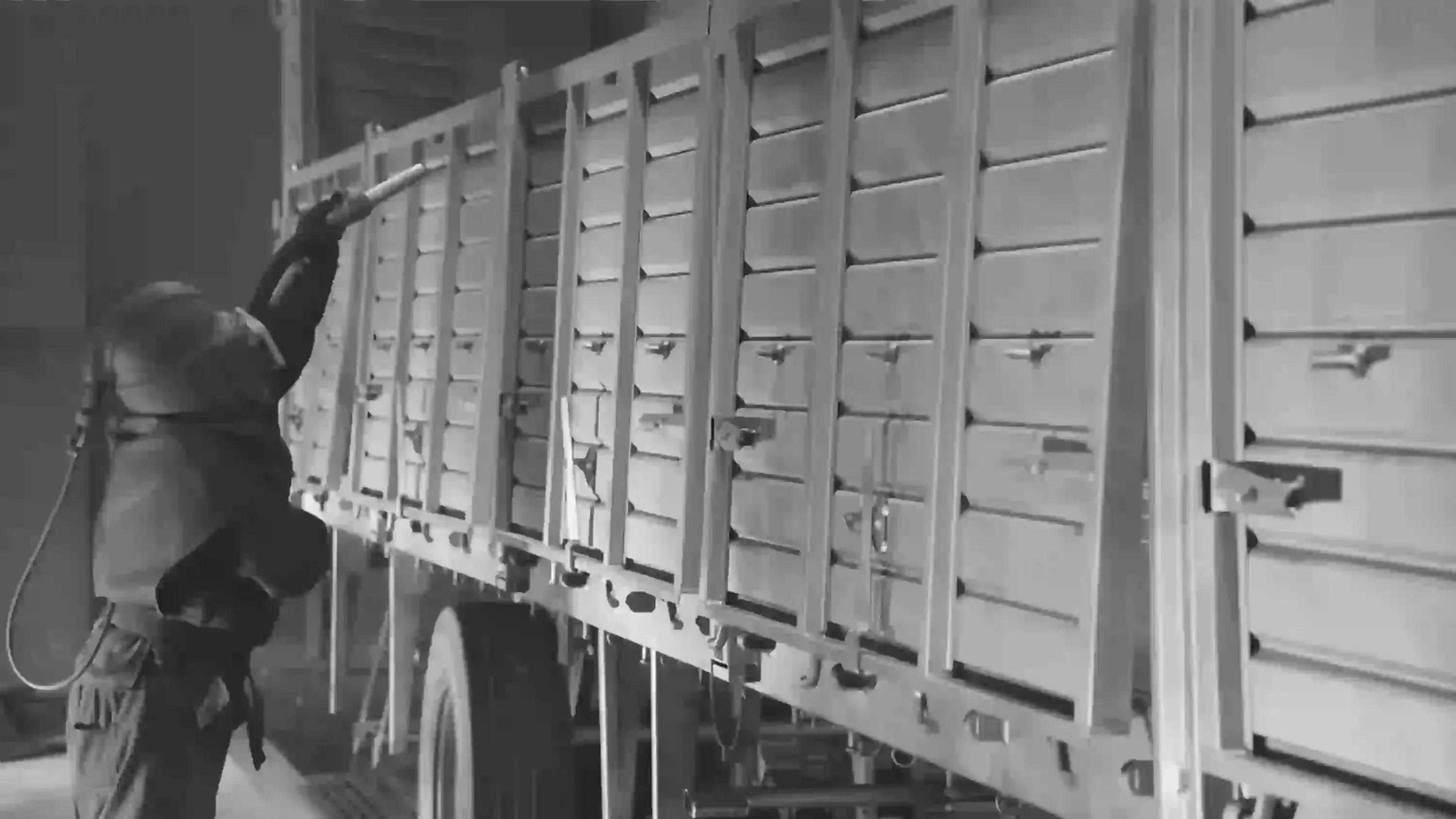
Shot blasting alone (when it is enough)
- There is mill scale, rust or old paint.
- The steel is hot-rolled.
- Medium paint demand.
- A mechanical anchor profile is needed.
- Most industrial applications.
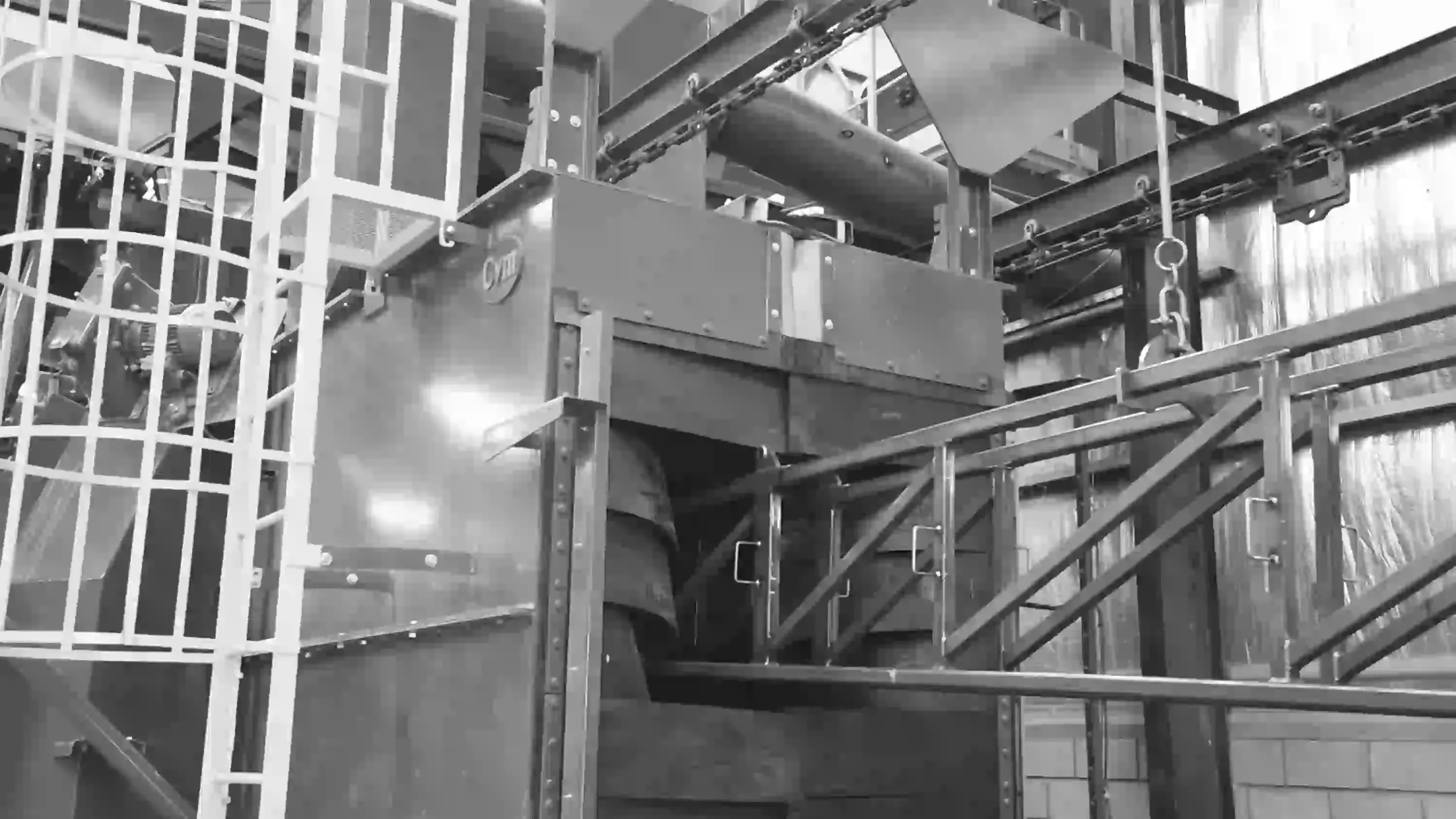
Shot blasting + phosphating (when to add it)
- High-demand paint (agrochemicals, aggressive corrosion).
- A chemical barrier under the paint is needed.
- High impact or scratch resistance required.
- Critical parts: sprayers, automotive, demanding agri.
- Limiting corrosion spread under the film is a priority.
In summary: how to decide
Shot blasting is the essential foundation when there is mill scale, rust or old paint —and in most cases it is enough on its own. Phosphating is a chemical complement that boosts protection in high-demand paint applications; it never replaces shot blasting on hot-rolled steel. To define the right pretreatment scheme for your parts and paint process, our team can advise you.
Published: June 2026
KEEP EXPLORING
Related equipment and content
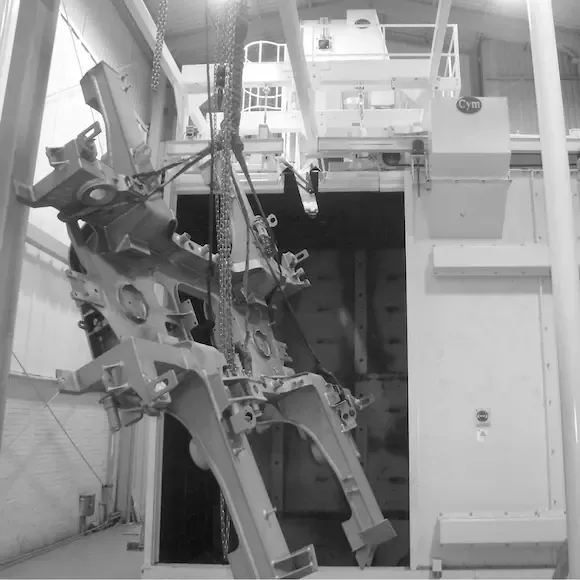
TECHNICAL ARTICLE
Surface preparation before coating
How to do it right for each coating
Read more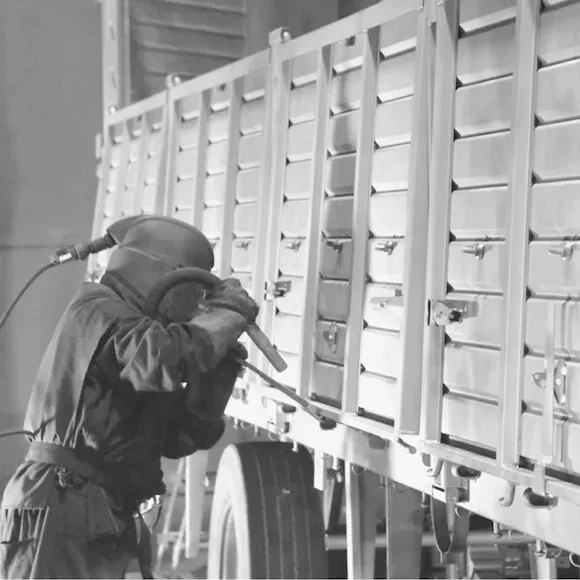
TECHNICAL ARTICLE
Corrosion in steel and the role of shot blasting
How surface preparation extends the service life of steel
Read more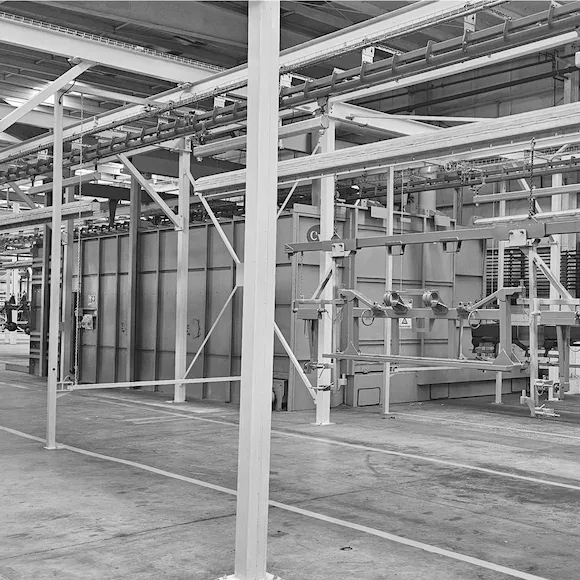
TECHNICAL ARTICLE
Integrated blasting and painting line
Advantages and criteria for structural steel fabricators
Read moreInstallations
Equipment in operation
videos
Equipment in action
Special Projects
Can't find the equipment you need?
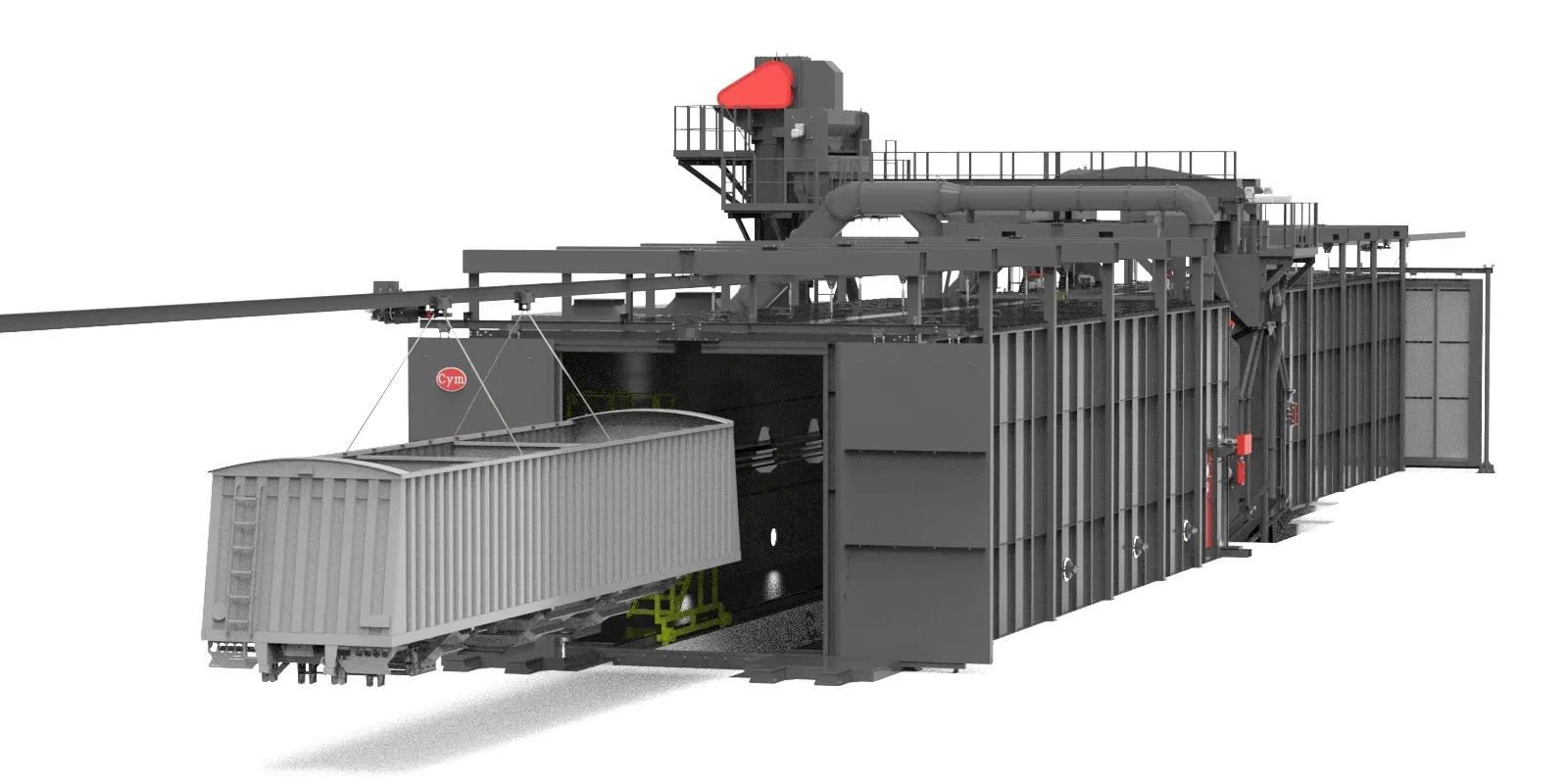
CYM Materiales develops it.
Our Engineering and Sales team works alongside the client to design a custom solution, reducing operating costs and maximizing productivity. Every project starts with a detailed technical assessment and ends with a machine built and tested at our plant
REQUEST A CUSTOM PROJECT